Step-by-step guide to master the art of diaper change
Summary
We know you love spending time with your little bundle of joy, but almost all the time, this time is more spent on changing the little one’s diapers or just feeding him/her!
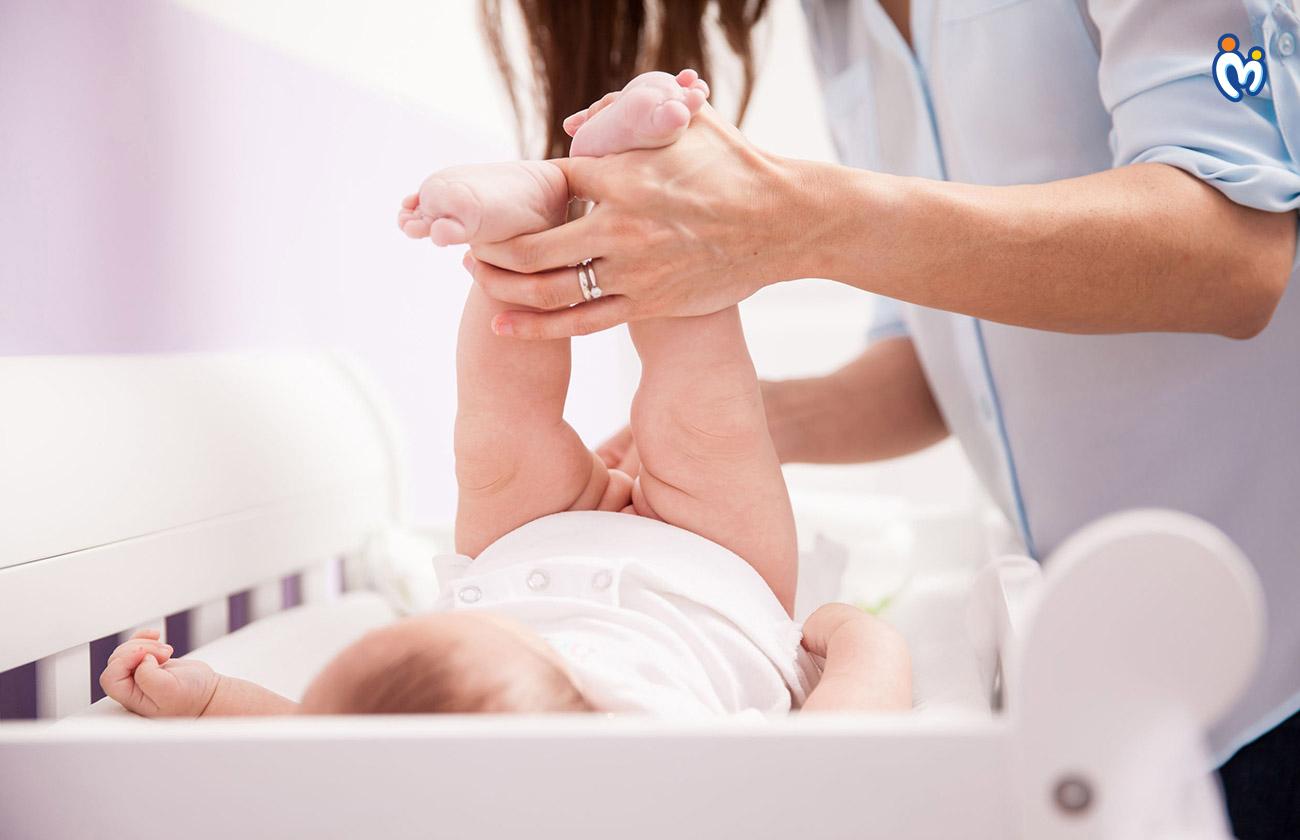
We know you love spending time with your little bundle of joy, but almost all the time, this time is more spent on changing the little one’s diapers or just feeding him/her! As always, we just want to make sure that your journey as a mother, and to do just that, we have a few tips that might help you while changing your little ones diaper.
- Clean the Changing Station:
The place where you normally change your baby’s diaper, i.e. the changing station, needs to be cleaned and disinfected on a regular basis to avoid any infections or rashes. If you use diaper changing pads then those too need to be changed regularly. Apart from this, any sheets that get dirty also need to be changed and replaced with new ones the moment they get soiled. This makes sure that the little one stays safe and clean even while getting his/her diaper changed.
- Stock up
Make sure that when the time comes for you to change the little one’s diapers, you don’t have to move around much. To ensure that, you need to keep all the essentials like diapers, baby powder, wipes, within reach. This in turn will help you stay with your little one while you find the things that will help you change his/her diaper, instead of rummaging around in a shelf somewhere.
- Make the perfect changing station
Finding the perfect spot to set up a changing station is of crucial importance. You need to keep in mind that you pick a spot that is not near places that you eat or cook in like the dining room or the kitchen. Since the changing station is a place that will constantly be under attack by germs, it has to be a single, designated place.
- Distraction is the best remedy.
We know that your little one will probably be restless while on the changing table, and it might be something that you would be worried about. To make sure that your little one does not hurt him/herself, you could always place toys around so that the little one stays distracted and comparatively still, thus helping you to change the diaper easily.
- Know how to dispose off a diaper:
Remember to keep a separate diaper bin in your house that you can use to dispose off all the soiled diapers in. All you need to do is to roll up the soiled diaper and dispose it off in the designated bin.
- Find the perfect Wipe
Finding the perfect wipe is of the utmost importance. The wipes that you use needs to make sure that it cleans the little one thoroughly and does not contain alcohol or cause any allergies. You also need to keep in mind that wiping method varies for boys and girls. Always remember to wipe from front to back for girls and vice versa for boys. Also wipe your little one’s hands and feet after you have changed the diaper since there is a good chance that he/she might have gotten their hands dirty while they were busy moving them around. The best things you can do is to use a fresh wipe every time you wipe a different body part.
- Washing Hands
Washing yours’ and your baby’s hands after each diaper change is very important and needs to be something that you remember each time that you do change the little one’s diaper. We sincerely hope that these tips will help you and your little one stay happy, healthy and hygienic during every diaper changing session. Happy diapering!
FAQ's
Popular Blogs




Popular Blogs
Other Related Blogs
Potty Training Your Toddlers: Everything You Need to Know
Potty training is a big step, right? It is a milestone in your baby’s life when they start taking their first ...

5 indoor activities for toddlers
Congratulations! If you’ve just confirmed your pregnancy, you’re probably thinking about how to tell friends a...

Changing Seasons' impact on baby's health
Congratulations! If you’ve just confirmed your pregnancy, you’re probably thinking about how to tell friends a...
Hey mamies, stay connected!
Sign up and get an opportunity to receive complimentary samples with our informative email newsletter.