Sleeping Positions for Babies
Summary
Congratulations! If you’ve just confirmed your pregnancy, you’re probably thinking about how to tell friends and family the exciting news. Whether you’re a first-time mom or you’re adding a new sibling to your little ones’ lives, sharing this news can be a fun way to spread the joy. Here are some ideas for making your pregnancy announcement special and memorable.
When a newborn comes home with the family for the first time, there is a period when everyone is trying to adjust to the new life around them. One of the most important things that needs calibration is the sleep cycle of both baby and new parents. Sleep is really important for babies and I always ensure that my baby is in a safe sleeping space and posture.

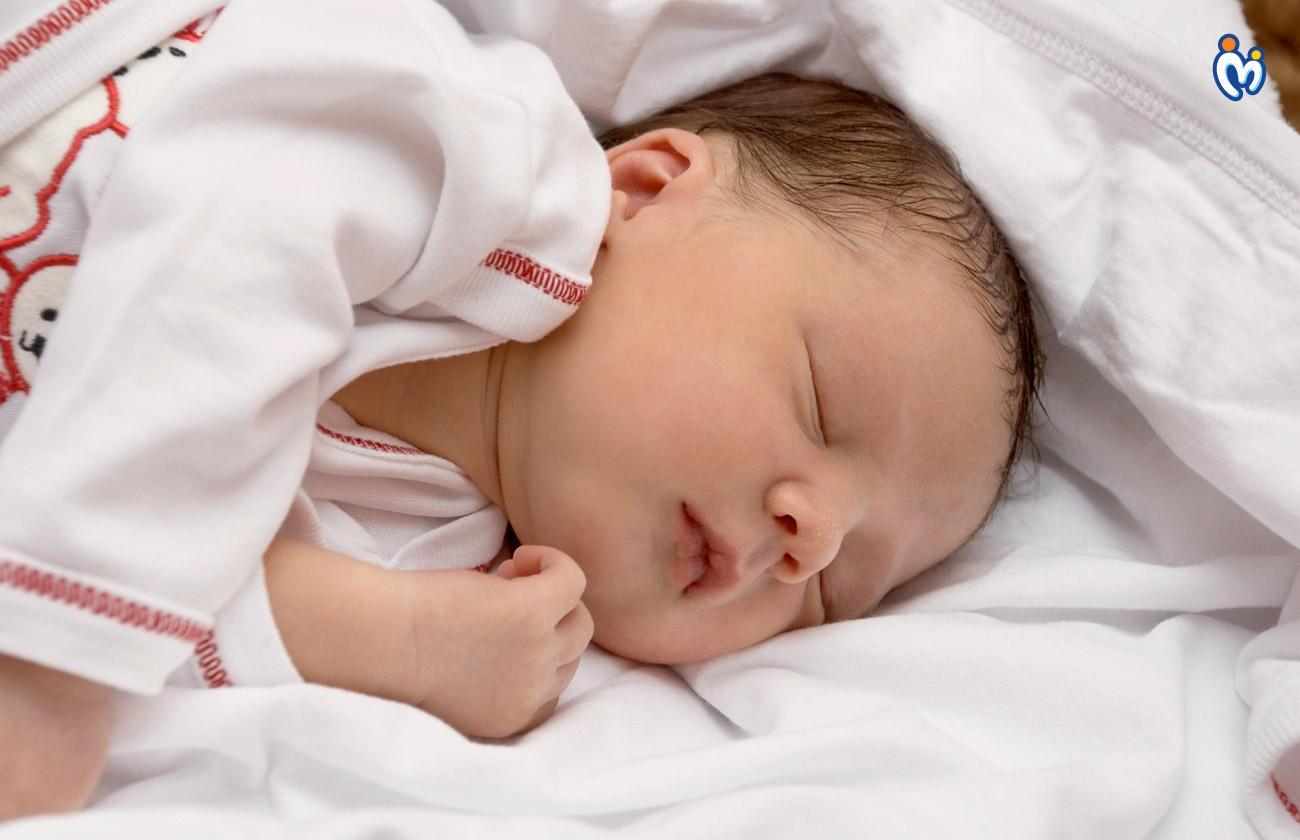
It’s pretty obvious that babies do not have the same sleeping patterns as adults. I always place my baby on her back to sleep which is known as the supine position - it is one of safest positions and sleep environment remains safe. The safest sleeping position and space for babies is on their back on a firm, flat mattress with a tight-fitting sheet and nothing else.
Here are few things to keep in mind while putting babies to sleep:
Body Position
I always make sure I lay my baby down to sleep on her back (unless doctor has advised of a medical reason to not do so). Babies don't have the physical ability to hold their necks up and can suffocate if placed on their stomachs.
Babies also inadvertently roll over to their stomach and are unable to roll back if placed on their sides. I always keep in mind my baby does not roll up and might cover herself with the blanket and can increase the potential for SIDS (sudden infant death syndrome) and might have problem in breathing. Reducing risk of Sudden infant death syndrome (SIDS) Safe sleep can help protect baby from sudden infant death syndrome.
The best way is to make them sleep on their back from day one and keep putting them to sleep on their back. Babies are at higher risk of SIDS if they have their heads covered, so I always keep my baby’s cot clear of any items such as bumpers, toys, cap with laces and loose bedding. Unnecessary items in a baby’s cot can also increase the risk of accidents.
Sleep Technique
As a mother I often get confused about the sleep duration, it is important to put babies to sleep on their backs through the first six months, since the risk of SIDS is the highest in that time period. Newborns are not the only ones who should be put to sleep on their back, I make sure my baby continues to lie on her back to sleep through the first year of life.
Concerns about Sleeping on the Back
Many parents are concerned that their babies will develop a flat head if they put babies to sleep on their back. To avoid the flatness, I always move my baby’s head in between and flip facing direction. This can reduce the risk of a flat spot developing. I must reassure you at this stage that remodeling of skull takes place till 1st birthday, therefore, no need to worry about flat back.
It will get better on its own and you are not supposed to do any maneuver for the same. Despite common beliefs, there is no evidence that choking is more frequent among infants lying on their backs (the supine position) when compared to other positions, nor is there evidence that sleeping on the back is harmful to healthy babies. In some circumstances, there are still good reasons for placing certain infants on their stomach for sleeping.
Always do your own research and discuss your individual circumstances with your pediatrician. Share your preferred sleeping positions for baby in the comments below.
FAQ's
Popular Blogs




Popular Blogs
Other Related Blogs
Potty Training Your Toddlers: Everything You Need to Know
Potty training is a big step, right? It is a milestone in your baby’s life when they start taking their first ...

5 indoor activities for toddlers
Congratulations! If you’ve just confirmed your pregnancy, you’re probably thinking about how to tell friends a...
Changing Seasons' impact on baby's health
Congratulations! If you’ve just confirmed your pregnancy, you’re probably thinking about how to tell friends a...
Hey mamies, stay connected!
Sign up and get an opportunity to receive complimentary samples with our informative email newsletter.