


Parents devote their time to their child. Every milestone makes them happy and one big milestone is when your little one takes his first step. Once your baby has learned to stand, either by holding a chair (which is known as cruising) or on his or her own, you must have noticed that they transfer weight from one foot to another.
Transferring weight means that the muscle of the feet is becoming stronger. It is still difficult to tell the exact time when a child is ready to walk but if you notice few signs of walking then you can encourage your child. Remember to never push your child but always encourage him.
Maximum children take their first steps between 9 and 12 months and by 15 months they walk well. Walking is all about the coordination of muscles and if your child is not ready then don't push him, wait and keep encouraging. The maximum you can wait is till 18 months.
If by any chance child is not able to walk by then, you can visit a pediatric neurologist. Walking is a big first step for both parents and babies. It is difficult to judge whether your child is ready to walk or not.
So here I am jotting down few signs which will make you realize that your little munchkin is ready to walk. If you find these signs, then I would ask you to inspire him more.
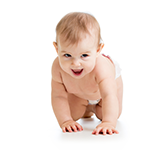 Crawling
Crawling is your baby's first way of getting around on his own. Initially, your baby will start by learning to balance on his hands and knees later he'll try to move forward and backward. At the same time, he'll be firming the muscles that will soon allow him to walk.
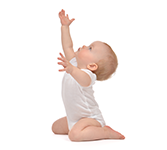 Pulling Up
Many babies hint at us that they are ready to walk by pulling themselves into a standing position. This naturally happens after your baby has learned how to get into a sitting position. Your baby will hold onto the chair, table and different objects to stand up from a seated position.
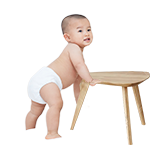 Walking with help
Your baby gains balance by holding furniture. You can help him take a few steps by holding him. This will surely help him with the next phase of his journey.
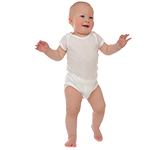 Standing on his own
Balance is an important part of walking. After support walk, your baby is now ready to stand without it. By this stage, the baby would be able to stand on his own for few seconds and is ready to take the first step.
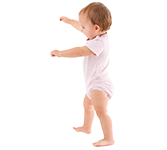 First Steps
Milestone! The first step is a big moment for kids and parents both- welcome it with praises. Now the baby is ready to walk and explore the world.
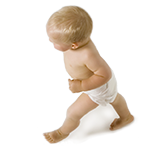 Walking
The moment – it takes lots of praise and efforts for your little one to walk on his own, but it's worth the journey. Continue with your praises and encourage your child to walk.
How can a parent help their baby while they take their first step?
- Don't push your kids hard but let them walk at his own speed and own rate. Pushing hard may drop your kid's confidence.
- Take your kids out for a walk and put toys in front of them under supervision. This will help them walk and may provide lots of opportunities for the same.
- Your baby may fall and get lots of bumpies, there will be some time when baby wants to quit walking. Manage your emotions and give lots of comfort to baby. Encourage him to try again.
- Ensure that your house is a safe place for your roaming toddler.
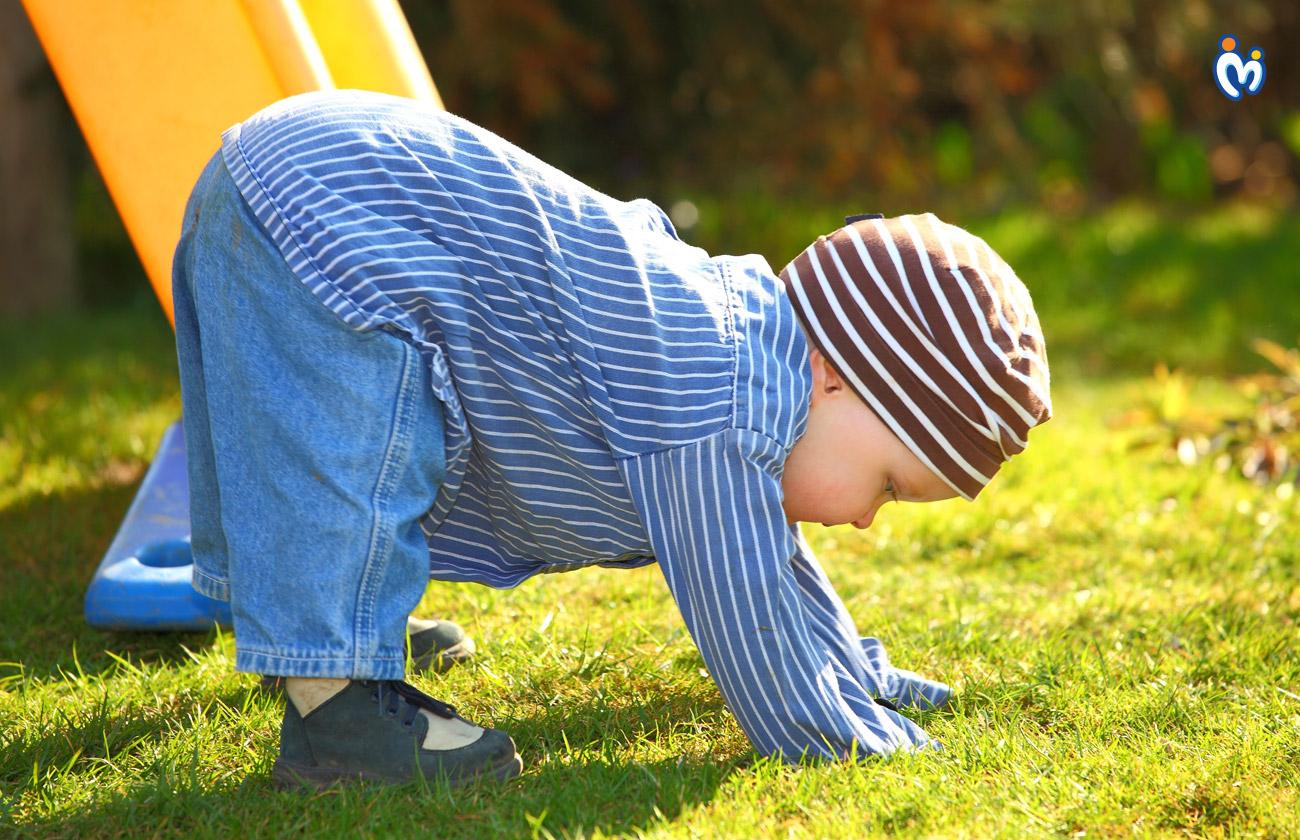
- Encourage outdoor play.
- Play lots of balancing games and encourage walking as much as possible.
Between 6 -15 months your little baby goes from learning how to sit up to walking on his own. During this thrilling time, you can help baby gain self-assurance that he will be walking soon. Meanwhile, encourage your child with some good words and gestures. Walking needs plenty of praise and encouragement, keep up the spirit and boost your child's confidence. Happy Parenting!
FAQ's
Q. When do babies usually start walking?
Ans.Most babies begin walking between 9 and 12 months, and many confidently walk by 15 months. However, this timeline varies for each child because walking depends on strength, coordination, and balance. Some babies may take a little longer, and that’s completely normal. You can continue encouraging your child gently. If your baby is still not walking by 18 months, it’s recommended to consult a pediatric neurologist for evaluation.
Q. What are the earliest signs that a baby is ready to walk?
Ans.Early signs include crawling, pulling up to stand, cruising along furniture, standing briefly without support, and transferring weight from one foot to another. These movements show developing leg and core strength. Babies who attempt to stand independently or try stepping while supported are usually close to taking their first steps. These signs indicate growing confidence and improved muscle coordination needed for walking.
Q. Why is crawling important before walking?
Ans.Crawling strengthens your baby’s arm, leg, shoulder, and core muscles, all essential for walking. It also improves balance and coordination, helping the baby understand how to shift weight and move forward. Some babies may skip crawling entirely, but it still remains a helpful developmental stage. If your baby crawls in different ways—classic, commando, or scooting—it still contributes to skill-building for walking.
Q. What does it mean when a baby pulls up to stand?
Ans.Pulling up to stand shows that your baby has developed enough leg strength and balance to lift their body. Babies typically pull up using chairs, tables, or low furniture after they master sitting independently. This is a strong indicator that they are preparing for walking. Once they can stand while holding something, they usually progress to cruising and then taking unsupported steps.
Q. How does cruising help a baby learn to walk?
Ans.Cruising—walking while holding onto furniture—helps your baby learn balance, stability, and weight shifting. As they move sideways, they build leg coordination and confidence. You can support them by holding their hands and encouraging gentle forward steps. Cruising is a natural bridge between standing and fully independent walking, helping babies practice stepping while still feeling safe with support.
Q. When can a baby stand without support, and why is it important?
Ans.A baby may begin standing independently for a few seconds after mastering cruising and supported walking. This ability shows significant progress in balance and muscle control. Standing without holding anything is a major pre-walking milestone because babies need stability before taking their first unassisted steps. Praise and encouragement during this stage help boost their confidence.
Q. How should parents react when their baby takes the first steps?
Ans.The first steps are a major milestone and should be celebrated with praise, smiles, and gentle encouragement. Positive reinforcement builds your child’s confidence and makes walking an enjoyable experience. Avoid overwhelming or pushing your child too hard. Focus instead on creating a safe environment and appreciating every tiny movement forward, even if the baby walks only a few steps initially.
Q. What can parents do to help their baby learn to walk?
Ans.Parents can support early walking by offering gentle hand-holding, placing toys just out of reach, encouraging standing and cruising, and making the house safe for exploration. Outdoor play, balancing games, and supervised floor time build coordination. Avoid pressuring or rushing the child—every baby learns at their own pace. Comfort them during falls, cheer small efforts, and maintain a positive, encouraging tone.
Q. What should parents do if their baby keeps falling while learning to walk?
Ans.Falling is a natural part of learning to walk. Babies may stumble and bump themselves often. Instead of showing worry, stay calm and provide comfort. Make the home baby-proof with corner guards, soft mats, and safe walking areas. Frequent falls help babies strengthen their balance and coordination. Keep encouraging your child to try again, and reassure them that falling is normal while learning.
Q. When should parents worry if their child isn’t walking yet?
Ans.While many babies walk by 12–15 months, some take longer. If your child is not walking by 18 months, it’s advisable to speak to a pediatric neurologist. Delayed walking may be linked to muscle weakness, developmental delays, or other conditions requiring attention. Before worrying, ensure your child is meeting other milestones like sitting, crawling, and standing. Early consultation helps identify concerns and provide timely support.