


TL;DR: Wanting to know what you should eat after having given birth and breastfeeding your baby? You can always have a nutritious meal that is high in protein, fiber, fruits, vegetables, fats, and other fluids. But as every mother has different nutritional requirements, it’s always wise to consult with your physician/nutritionist before making up a meal after delivery.
What to Eat After Giving Birth and Breastfeeding?
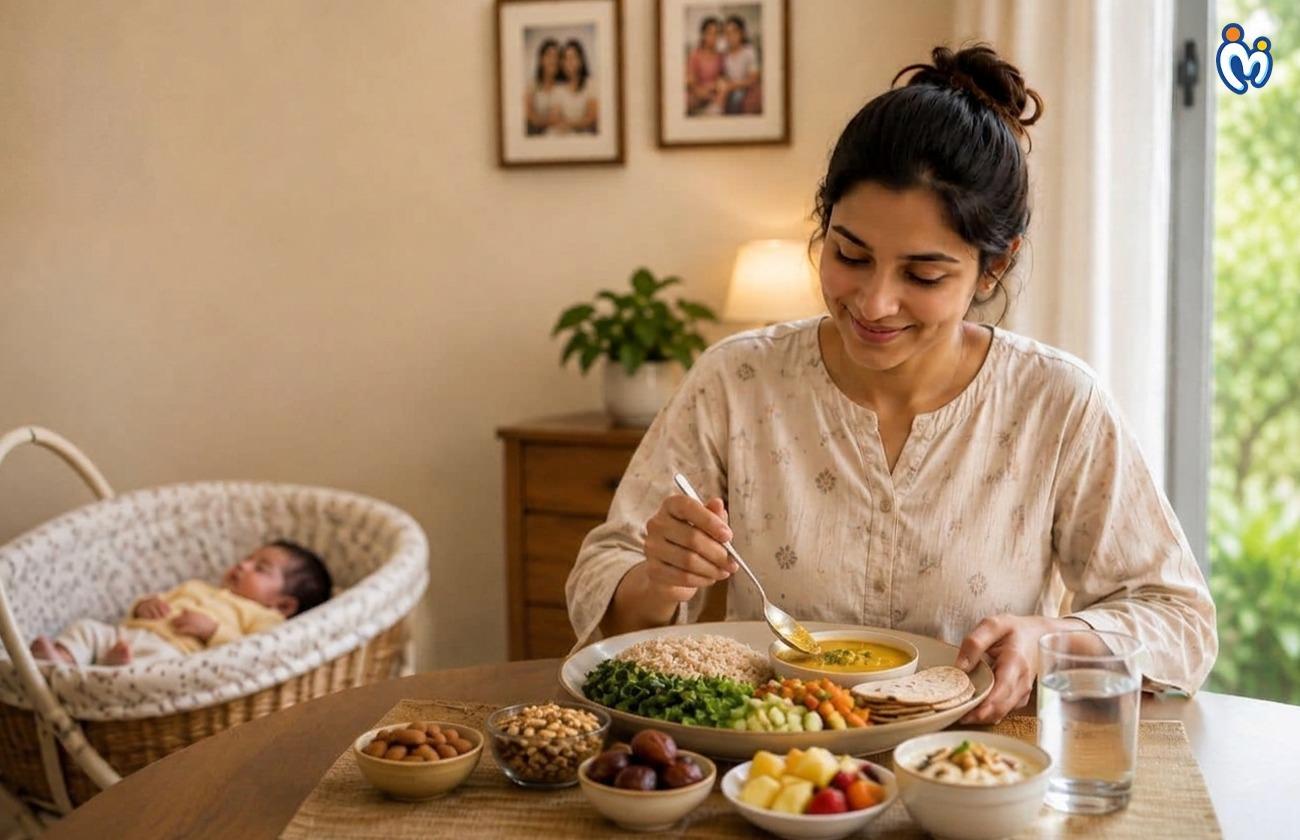
Breastfeed, and the most immediate thing that you should reach for is nutrient-dense food, which will ensure your quick recovery, as well as continue with your ability to breastfeed. It is important to note that there are more nutritional requirements after delivery.
As per the World Health Organization (WHO), breastfeeding women require healthy eating habits in order to fulfill their nutritional demands alongside breastfeeding.
Definition
Typically, this 'postpartum breastfeeding diet plan' consists of foods, dairy products, vegetables, fats, grain foods, and proteins, etc., for proper health and the formation of milk.
Which Foods Should Breastfeeding Moms Include?
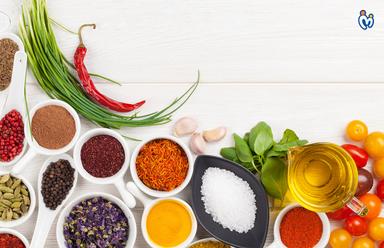
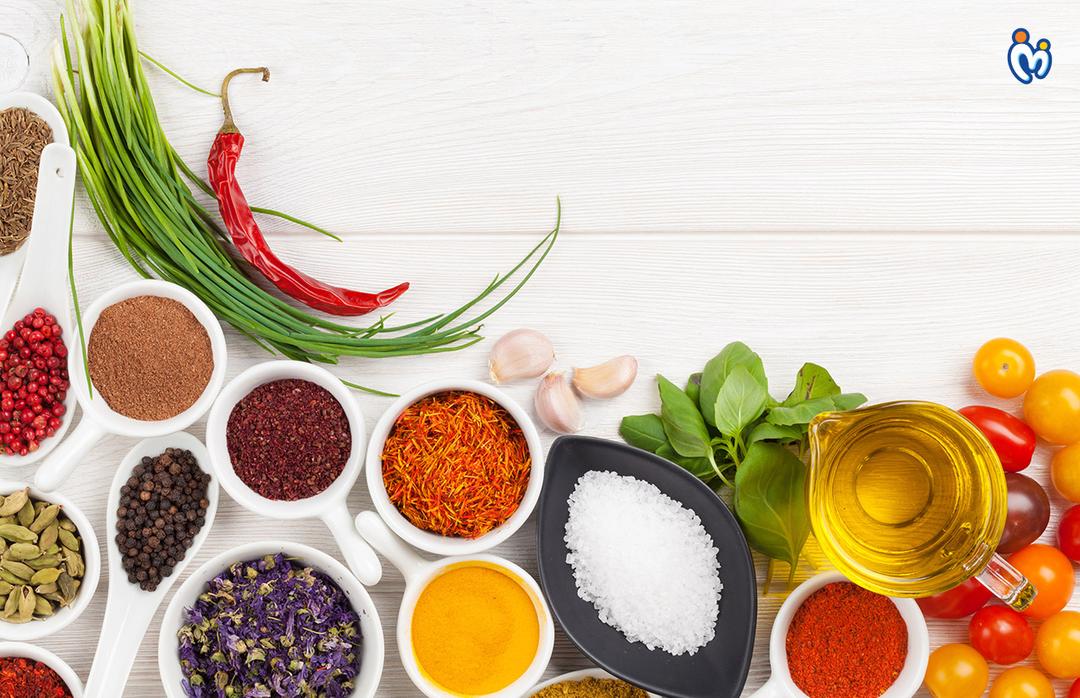
You can focus on some lasting energy-busting foods that are filled with all of the nutrients needed when considering postnatal and breastfeeding nutrition food recipes
| Food Group | Examples | Why It Helps |
|---|---|---|
| Protein | Eggs, dal, chicken, fish, paneer | Supports recovery and tissue repair |
| Whole Grains | Oats, brown rice, whole wheat roti | Provides steady energy and fibre |
| Fruits | Apples, bananas, oranges, berries | Rich in vitamins and antioxidants |
| Vegetables | Spinach, carrots, broccoli | Provide iron, calcium, and vitamins |
| Healthy Fats | Nuts, seeds, avocado | Supports overall nutrition |
| Dairy | Milk, curd, yogurt | Good source of calcium and protein |
| Fluids | Water, coconut water, soups | Helps maintain hydration |
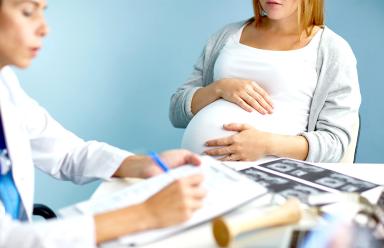
Disclaimer: These food charts are for informational purposes only. You have individual food and drink requirements. See your own doctor or registered dietician if you or your loved one has special dietary needs or food allergies, or has any health issues or health-related questions, before making any change to your eating and drinking habits.
How Can Moms Build a Healthy Postpartum Meal Routine?
Post-childbirth meals needn’t have a great mental effort behind them. Just eat healthy with frequent intervals of food to fill your hunger for food.
Step-by-Step Guide
- Start the day with a protein-rich breakfast.
- Include fruits or nuts as healthy snacks.
- Add vegetables to lunch and dinner.
- Drink water regularly throughout the day.
- Avoid skipping meals, especially while breastfeeding.
Take the example of a mother, who could have a bowl of oatmeal for breakfast, have dal and brown rice for her lunch, snack on fruits in the afternoon, and have a vegetable soup with whole wheat roti to have for dinner.
What Foods Should Be Limited While Breastfeeding?
It's important to be aware of what you'll need to scale back on in terms of your post-baby birth feeding.
Quick Checklist
- Limit sugary drinks.
- Avoid excessive caffeine.
- Stay hydrated.
- Choose freshly prepared meals.
- Follow your doctor's advice for supplements.
A nutritious and balanced diet is essential to help maintain a mother's health during lactation, says the Indian Council of Medical Research (ICMR).
Why Is Good Nutrition Important After Childbirth?
Not just to help you recover, eating right will ensure your body gets everything required to start lactating. Good eating, hydration, and regular snacks will provide you with all the energy needed to handle your baby. While you focus on filling yourselves up, stock up on the baby's needs like Extra Absorb Pants and Breathable Diapers!
FAQs
1. How many extra calories does a breastfeeding mother need?
Almost all women require some extra calories while breastfeeding. You need more calories depending on what you do every day, your general state of health, and how old you are.
2. Can breastfeeding mothers eat spicy food?
Most mothers can eat spicy cuisine. But ask your health specialist whether your child will be experiencing any discomfort.
3. Is it necessary to drink more water while breastfeeding?
Yes. It’s much harder to breastfeed if you are dehydrated because it requires lots of fluid.
4. Can breastfeeding mothers follow a weight-loss diet?
Generally speaking, rapid weight loss diets aren’t really recommended when you’re breastfeeding. However, you can talk to your doctor first to begin with.
5. Should breastfeeding mothers take vitamin supplements?
Mothers may need to take supplements in addition to eating some kinds of foods. Any vitamin or supplement should be taken only on the recommendation of a doctor.