


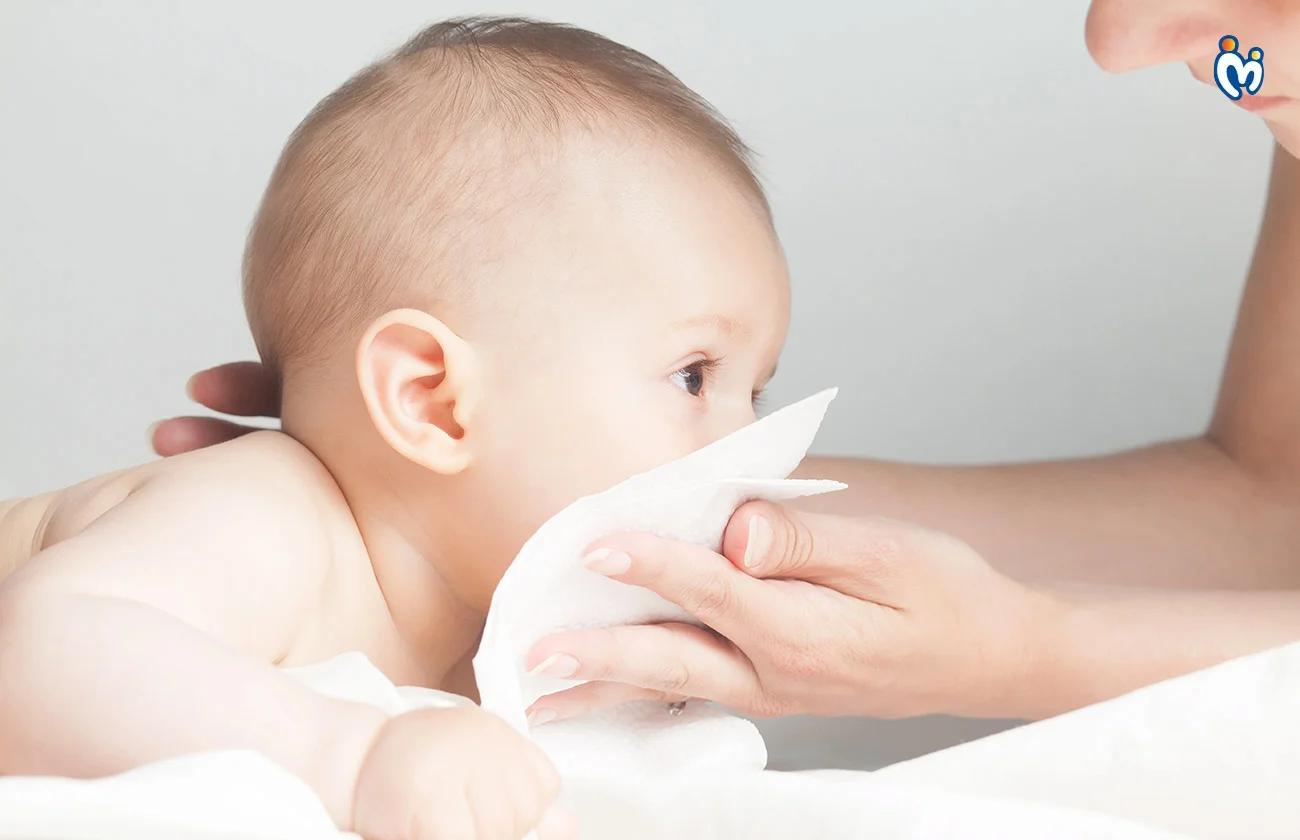
The first time your tiny newborn sneezes, your heart skips a beat.
Is it just dust? Is it a cold? Is something wrong?
For new mamies, even the quietest sniffle feels like a loud alarm.
Newborns are delicate, still building their immune systems, and newborn cold symptoms often look different than they do in older children or adults.
Don’t worry, mamy.
Let’s walk through everything you need to know—gently, simply, and confidently—so you understand what’s normal, what needs attention, and how to comfort your little one through their first cold.
Why Do Newborns Catch Colds So Easily?
It was 2 AM when little Aarohi let out her first sneeze.
Meera, her anxious new mama, shot up instantly:
“Was that dust? Or is she getting sick?”
A tiny sniffle followed, and Meera’s heart sank.
She held Aarohi close, Googling in panic as many mamies do.
1.Newborns have immature immune systems
- They’re just beginning to recognize and fight viruses.
2.Their nasal passages are tiny
- Even a small amount of congestion feels huge.
3.They can’t blow their nose
- So they struggle more with mucus buildup.
4.They’re exposed to new germs every day
- From family members, visitors, siblings, and the environment.
The good news?
Most colds are mild and manageable with gentle, home-based care.
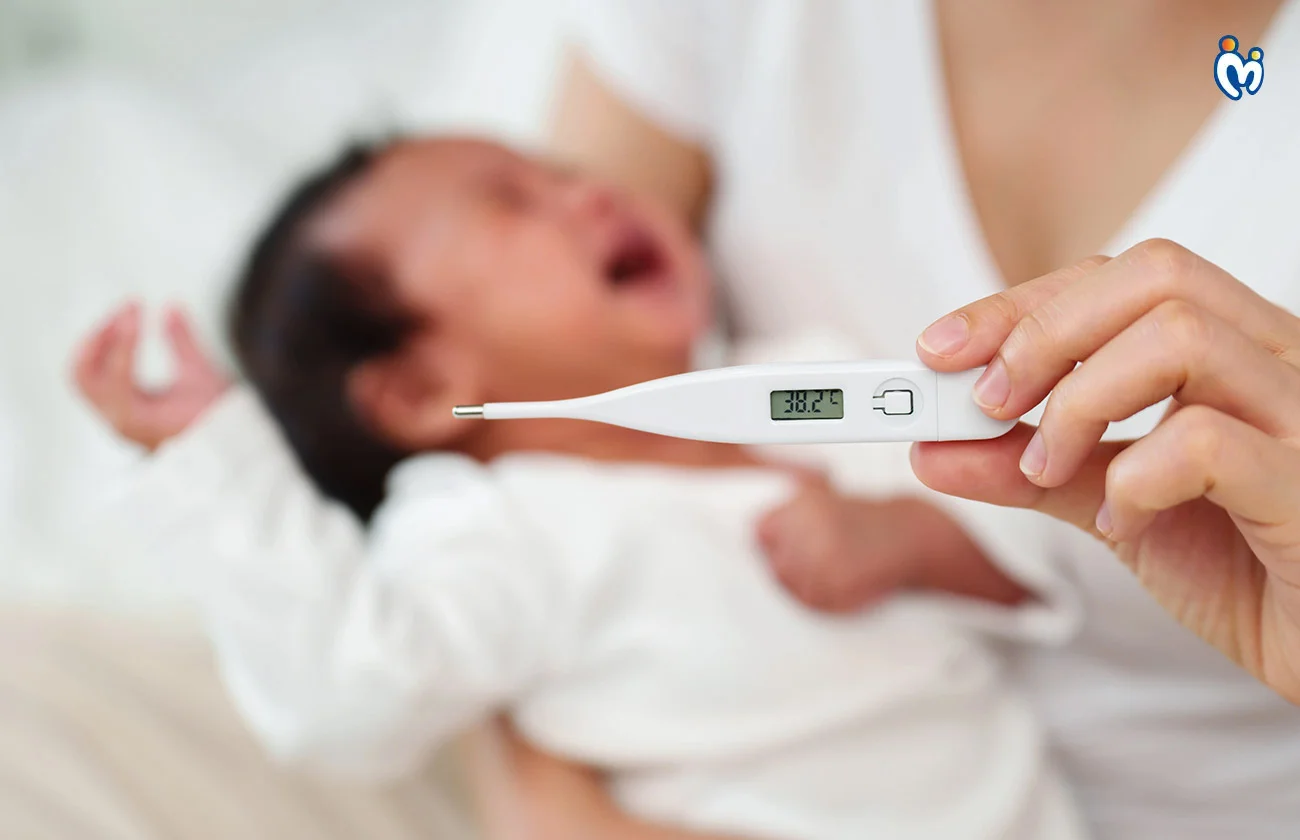
Common Newborn Cold Symptoms: What to Watch For
This is the section you’ll revisit often.
These are the most common newborn baby cold symptoms you’ll notice:
1. Runny or Stuffy Nose
- Clear, watery discharge at first
- May become thicker over time
- Sniffly breathing
Their nose is tiny, so even mild mucus affects feeding and sleep.
2. Frequent Sneezing
- Sneezing is one of the earliest newborn cold symptoms, but it can also be completely normal.
- Newborns sneeze to clear their noses—not just because of colds.
3. Mild Cough
- This may show up when mucus drips down the throat.
- A mild cough is okay—persistent coughing needs attention.
4. Watery Eyes
- Tear ducts are small and sensitive, so irritation is common during colds.
5. Feeding Trouble
- A blocked nose makes sucking difficult.
Your baby may:
- latch and unlatch repeatedly
- fuss during feeds
- drink less than usual
This is one of the more stressful newborn baby cold symptoms for mamies.
6. Sleep Changes
- Your little one may sleep more or struggle to sleep because of congestion.
7. Irritability or Fussiness
- Their tiny bodies are working hard, which can make them uncomfortable.
These symptoms are usually manageable at home.
But knowing the red flags is essential too.
When Newborn Cold Symptoms Need a Doctor’s Attention
Call your pediatrician immediately if you notice any of these:
1. Fever in a Newborn
- A temperature of 100.4°F (38°C) or higher in babies under 2 months is an emergency.
2. Breathing Trouble
Look for:
- rapid breathing
- flared nostrils
- chest pulling in
- wheezing
- grunting
Breathing difficulties are NOT normal newborn cold symptoms.
3. Blue or Gray Lips/Skin
- This signals lack of oxygen—seek help right away.
4. Poor Feeding
- If your baby drinks significantly less than usual or refuses feeds.
5. Extreme Sleepiness or Lethargy
- If they’re unusually difficult to wake or seem weak.
6. Signs of Dehydration
- fewer wet diapers
- dark yellow urine
- dry mouth
- sunken soft spot (fontanelle)
Trust your instincts.
If something feels "off," always call your doctor.
How to Comfort a Newborn With a Cold (Safe Home Remedies)
Most newborn baby colds don’t require medicine.
What they need most is comfort, moisture, and gentle care.
Here’s how you can help:
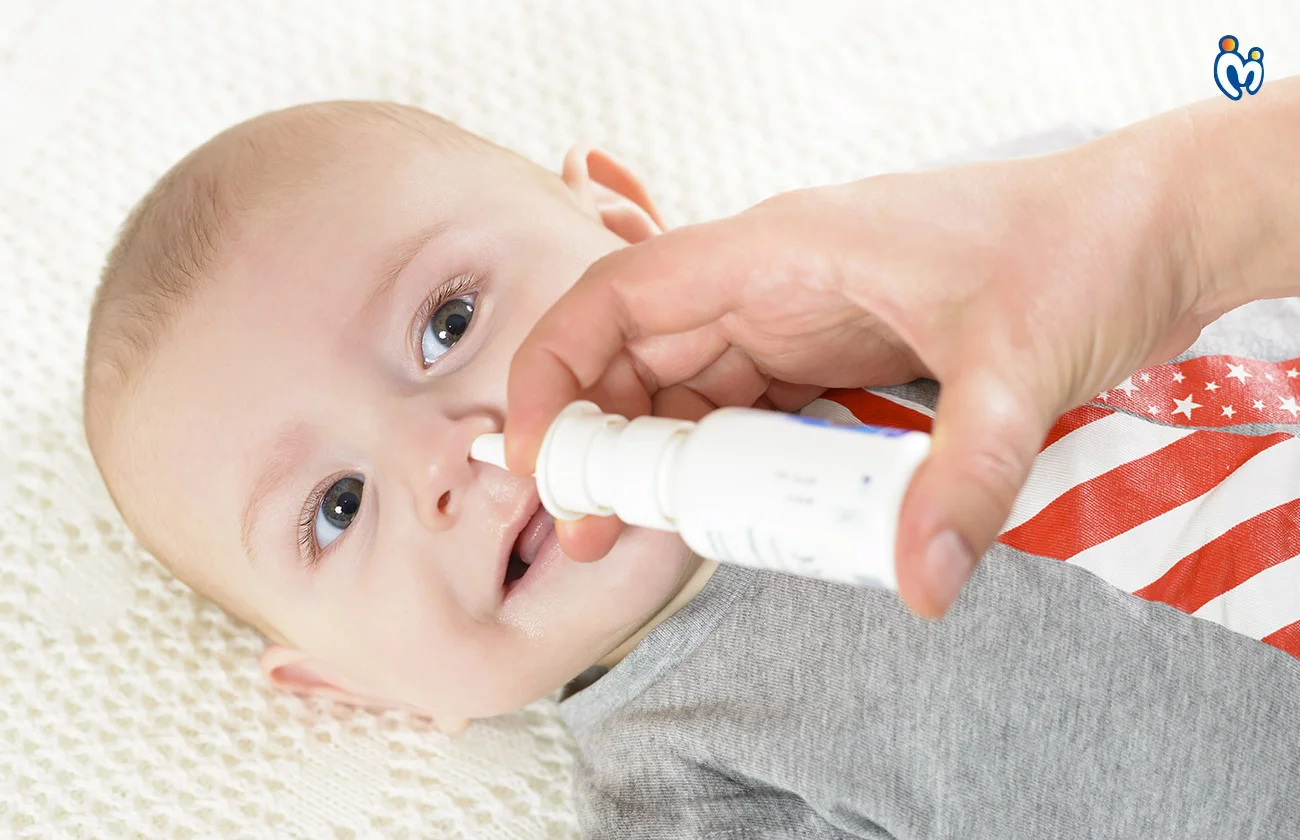
1. Use Saline Drops + Suction Bulb
- A few drops of saline loosen mucus.
- A suction bulb gently removes it so your baby can breathe and feed better.
2. Run a Cool-Mist Humidifier
- Adds moisture to the air and reduces congestion.
3. Keep Baby Upright More Often
- Hold them on your chest or carry them upright.
- Gravity helps drain mucus naturally.
4. Continue Frequent Feeding
- It keeps them hydrated and helps fight the virus.
5. Give Extra Cuddles
- Your smell, warmth, and heartbeat calm your newborn instantly.
6. Avoid Over-the-Counter Medicines
- Cold medicines are not safe for infants under 2 years.
7. Reduce Visitors
- Especially anyone with even mild cold symptoms.
How to Prevent Newborn Baby Cold Symptoms
You can’t eliminate all germs—but you can reduce risk.
- Wash hands before touching baby
- Ask visitors to wash hands too
- Avoid crowded places for first 2–3 months
- Clean high-touch surfaces regularly
- Keep sick family members slightly distant
- Ensure baby’s vaccinations are up to date
- Ensure adults nearby are vaccinated (like flu shots)
Prevention is always easier than cure.

The Silver Lining: Their Immune System Is Growing
While seeing newborn cold symptoms can be scary, remember:
- Colds help build stronger immunity.
- With your love, care, and watchful eyes, your little one will recover beautifully.
- Every parent has been there—holding a sniffling newborn at 3 AM, wishing they could magically heal them.
- You're doing more than enough, mamy.
- Your baby feels safest in your arms.
FAQs
Q. What are the most common newborn cold symptoms?
Ans.The most common newborn cold symptoms are usually mild but noticeable because newborns have tiny airways and sensitive responses. These include:
- Runny or stuffy nose: Clear or slightly thick mucus makes breathing noisier.
- Sneezing: A natural reflex that becomes more frequent during a cold.
- Mild cough: Often caused by mucus dripping down the throat.
- Difficulty feeding: Babies may latch and unlatch frequently due to a blocked nose.
- Watery eyes: Tear ducts are small, so irritation is common.
- Irritability: Babies may fuss more because breathing is harder.
- Sleep pattern changes: They may nap more or struggle to fall asleep.
These symptoms are normal as long as your baby is breathing comfortably, feeding reasonably well, and showing no signs of distress. Always watch for worsening symptoms.
Q. How can I tell the difference between normal newborn sneezing and newborn baby cold symptoms?
Ans.Newborns sneeze even when they’re perfectly healthy, because sneezing helps clear dust, milk droplets, and tiny irritants from their tiny nasal passages.
However, sneezing may be part of newborn baby cold symptoms if you also notice:
- Nasal congestion (noisy breathing, blocked nose)
- Coughing
- Thicker or yellowish mucus
- Difficulty feeding due to stuffiness
- General fussiness or trouble sleeping
Isolated sneezing = normal.
Sneezing with other symptoms = likely a cold.
Q. How long do newborn colds usually last?
Ans.Most newborn colds last 7–10 days, with a predictable pattern:
- Days 1–2: Mild sniffles, sneezing
- Days 3–5: Symptoms peak — congestion, mild cough, fussiness
- Days 6–10: Gradual improvement
If symptoms worsen after day 5, last more than 10 days, or your baby develops fever or breathing issues, consult your pediatrician. Newborns can’t fight viruses as quickly, so monitoring is essential.
Q. Can I give medicine for newborn cold symptoms?
Ans.No.
Over-the-counter cough syrups, decongestants, vapor rubs, and cold medicines are not safe for babies below 2 years and should never be given to newborns.
Instead, focus on safe, gentle remedies:
- Saline nasal drops to loosen mucus
- A suction bulb or nasal aspirator
- A cool-mist humidifier
- Extra feeding for hydration
- Upright cuddling to help congestion
Only give medicines prescribed by your pediatrician.
Q. When should I call the doctor about my newborn’s cold?
Ans.Call your doctor immediately if your newborn shows any of the following signs, as these are not typical newborn cold symptoms:
- Fever of 100.4°F (38°C) or higher in babies under 2 months
- Fast, noisy, or labored breathing
- Nostrils flaring or chest sinking in while breathing
- Blue, gray, or pale skin or lips
- Refusal to feed or feeding very little
- Fewer wet diapers (sign of dehydration)
- Extreme sleepiness or difficulty waking up
Trust your instincts, mamy — if something feels off, call immediately.
Q. Can breastfeeding help with newborn cold symptoms?
Ans.Absolutely, yes!
Breastmilk is one of the best natural protections for newborns because:
- It contains antibodies that help fight infections
- It keeps babies hydrated
- It’s easy to digest when they’re sick
- It provides comfort and helps regulate your baby’s breathing and temperature
If your baby struggles to latch due to congestion, try using saline drops before feeding.
Q. Can newborn cold symptoms affect sleep?
Ans.Yes. Babies tend to struggle more at night because lying flat makes mucus pool in their tiny nasal passages.
Common sleep-related issues include:
- Frequent waking
- Difficulty settling
- Noisy breathing
- Short naps
To help your baby sleep better:
- Use a cool-mist humidifier
- Offer extra cuddles
- Keep them slightly elevated during cuddling time
- Use nasal saline and suction before bedtime
Avoid pillows or elevated sleeping positions inside the crib - they are unsafe for newborns.
Q. How can I prevent colds in newborns?
Ans.While you can’t avoid every virus, you can significantly reduce the chances of newborn cold symptoms by:
- Washing hands before touching the baby
- Asking visitors to wash hands and avoid kissing the baby
- Keeping sick people (including siblings) at a distance
- Avoiding crowded places like malls, buses, clinics
- Maintaining clean, dust-free surroundings
- Ensuring vaccinations are up to date
- Breastfeeding if possible, as it boosts immunity
Small habits make a big difference in protecting newborns.
Q. Is a blocked nose the same as newborn cold symptoms?
Ans.Not always. A blocked nose may occur even without a cold due to:
- Dry air
- Dust
- Breastmilk entering the nose during feeding
- Temporary newborn mucus buildup (very common!)
However, it may signal newborn baby cold symptoms if it appears with:
- Cough
- Thick mucus
- Trouble feeding
- Fussiness
- Sneezing clusters
Use saline drops and a humidifier to help, and monitor closely.
Q. Can newborn babies catch a cold from siblings?
Ans.Yes - very easily. Newborns are highly vulnerable to viruses, and siblings often bring home germs from school, play areas, or daycare.
To reduce risk:
- Teach older siblings to wash hands before touching the baby
- Avoid face kissing
- Encourage coughing or sneezing into elbows
- Keep shared toys clean
- Separate the newborn if an older sibling is sick
This helps prevent the quick spread of infections in the home.
Final Note for Every Mamy
Your newborn will catch tiny colds as they grow.
This is part of their body's natural learning curve.
But your instinct, your gentleness, your alertness—these are your baby’s strongest medicines.
You’re not just caring for your child; you’re quietly building their immunity, one cuddle at a time.
And trust this, mamy…
You're doing beautifully.