


A Morning at Riya’s House
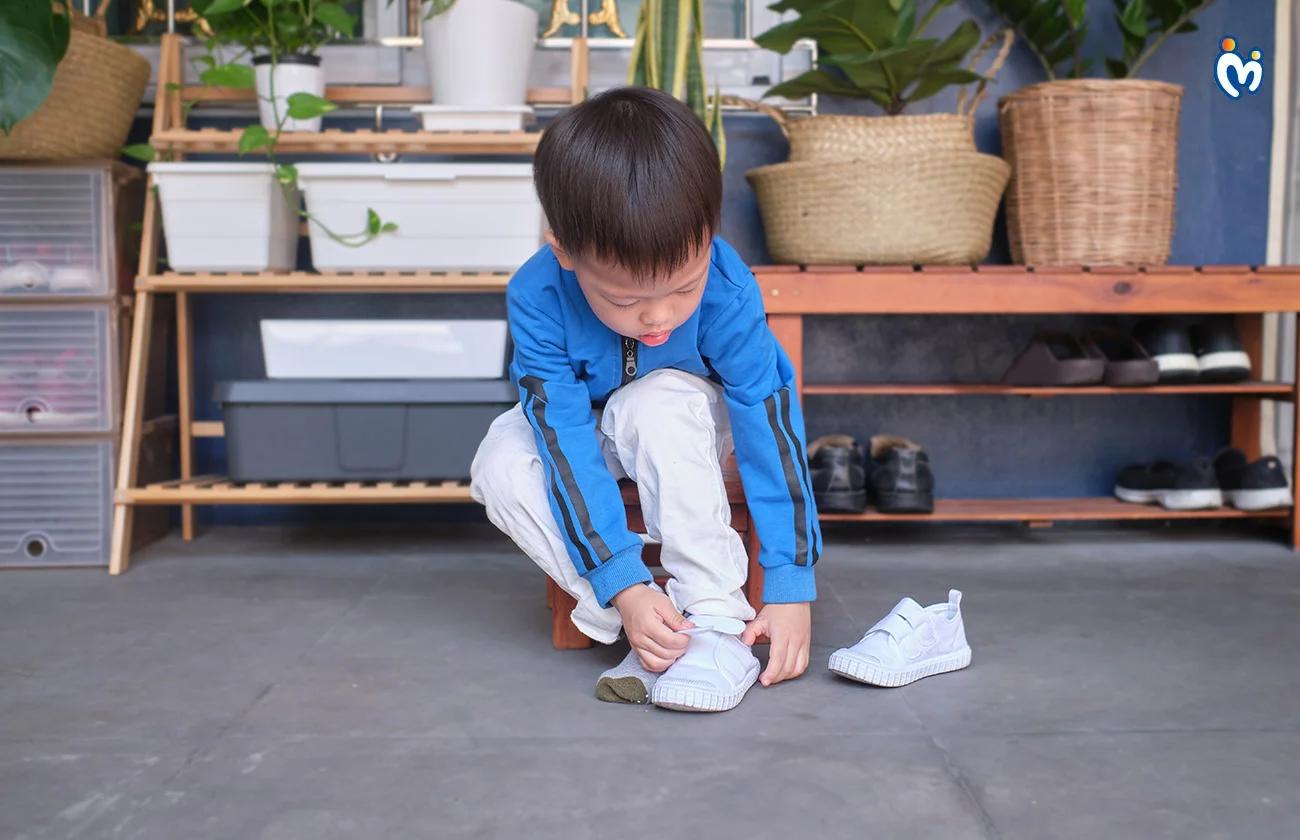
At 7:30 am, Riya was running late for work. Her two-year-old, Arnav, stood by the shoe rack, determined to put on his own sneakers.
"Come on, sweetheart, let Mama help," Riya urged. But Arnav shook his head, gripping the shoe like a prized trophy. Five long minutes later, the sneakers were finally on, one on the wrong foot, but his face beamed with pride.
That little moment was a big one for Arnav. In the time that he was putting on his shoes, he was building independence, problem-solving skills, and confidence.
Why Independence Matters in Toddlers
Independence doesn’t just mean doing things alone, it’s about self-trust, resilience, and curiosity. Toddlers who are encouraged to try things on their own often:
- Develop problem-solving skills faster.
- Build self-esteem by mastering small challenges.
- Learn responsibility from an early age.
- Become more adaptable to new situations.
You don’t need to rush milestones, but when you create a safe space for them, they feel emotionally safe to explore and succeed at their own pace.
Tips to Nurture Everyday Confidence
1. Offer Choices. But Keep It Simple.
Instead of asking, “What do you want to wear?” try, “Do you want the blue T-shirt or the yellow one?”
- Keeps them from feeling overwhelmed.
- Teaches decision-making within safe boundaries.
2. Let Them Help with Everyday Tasks
Toddlers love being part of your world.
- Let them stir pancake batter, water plants, or put clothes in the laundry basket.
- These tasks teach responsibility and fine motor skills.
3. Celebrate Effort, Not Just Success
When your toddler spills juice while pouring, say: “I love how you tried all by yourself!”
- Encourages persistence even after mistakes.
- Builds resilience to failure.
4. Create a ‘Yes’ Environment
Instead of constantly saying “Don’t touch that!”, arrange their space so they can safely explore.
- Use low shelves for toys.
- Keep fragile items out of reach.
5. Slow Down and Let Them Try
Rushing to do things for them sends the message they can’t do it.
- Give them time to button their shirt, even if it’s crooked.
- Patience now means confidence later.
6. Model Independence Yourself
Toddler see, toddler do. Toddlers learn more from watching than from listening.
- Let them see you cooking, tidying up, or fixing something.
- Narrate what you’re doing so they connect actions to results.
Common Mistakes to Avoid
- Over-helping: They won’t learn if you always step in.
- Expecting perfection: Focus on effort over neatness.
- Inconsistent boundaries: Clear, consistent rules help toddlers feel secure enough to explore.
Building Independence in Everyday Routines
- Morning: Let them choose between two breakfast options.
- Playtime: Give open-ended toys (blocks, crayons) instead of only structured activities.
- Mealtime: Let them self-feed, even if it gets messy.
- Bedtime: Encourage them to pick their own storybook.
These small, daily wins add up to a confident, capable toddler.
The Role of Community in Raising Independent Kids
Parenting is easier (and way more fun) when you have a support system.
- Swap ideas with other parents.
- Let your toddler interact with peers. Playdates teach sharing, patience, and problem-solving.
- Lean on grandparents or trusted caregivers to encourage independence in their own ways.

FAQs: Real Talk for Real Parents
Q. My toddler insists on doing everything themselves but gets frustrated. What should I do?
Ans. Step in only when they ask for help or when safety is at risk. Offer encouragement like, “I see you’re trying so hard!”
Q. Isn’t it too early to let my two-year-old be independent?
Ans. Not at all. Independence starts with small choices and safe tasks. It’s not about doing everything alone, but about feeling capable.
Q. How do I handle the mess that comes with letting them try?
Ans. Embrace the mess as part of the learning process. Use easy-clean setups like a splat mat under the high chair or washable aprons for cooking.
Final Thoughts
Raising an independent toddler is a balancing act between guiding and letting go, swapping speed for patience. You start finding joy in the slightly crooked buttons, the mismatched socks, and the “I did it myself!” grins. Some day, this little toddler will grow up, and you’ll find yourself missing their little victories, when you supported them in doing all the little things all by themselves.
One day, these little victories will turn into big ones, and you’ll look back and realize that their lifelong confidence was built in the smallest moments.