



A Teacher’s Day special for the mamies who are their child’s very first teachers.
When Sneha’s daughter Myra turned two, she suddenly found herself facing the same question from everyone:
“So, is she in school yet?”
Sneha would smile politely, but inside she would wonder,
“Is she learning enough? Am I doing this right?”
But here’s the truth most mamies forget—toddlers don’t need a classroom to learn.
They learn every single day through play, routines, curiosity, laughter, touch, words, sounds, and tiny adventures at home.
Myra wasn’t memorizing ABCs yet, but she was stacking blocks, singing her own versions of nursery rhymes, pouring water from one cup to another, and stirring imaginary soup in her toy kitchen. And that, mamy, is learning.
This Teacher’s Day, here’s a celebration of YOU—the first, most important, and lifelong teacher in your child’s journey.
Learning Begins in Everyday Moments
Toddlers don’t need worksheets or flashcards—they need opportunities.
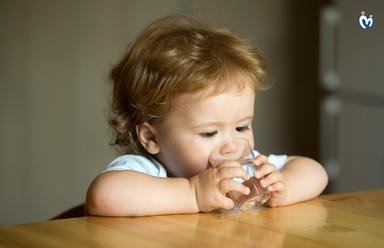
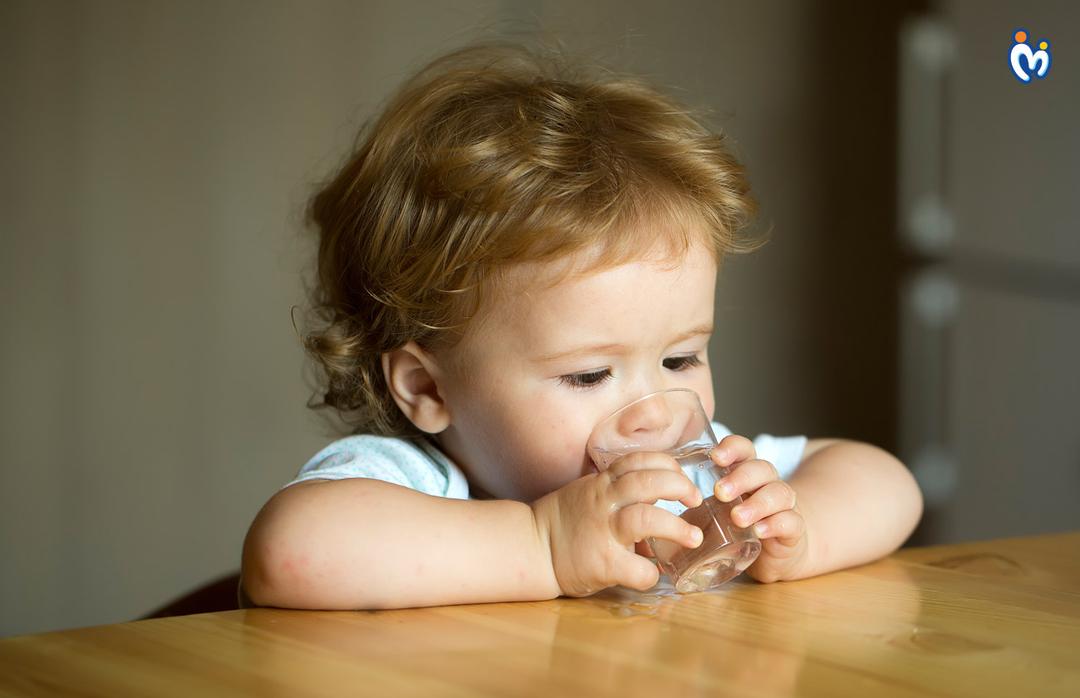
Think of the last time your toddler insisted on pouring water “all by myself.”
You saw a mess waiting to happen.
They saw an experiment in gravity, control, and coordination.
Or that bedtime story you’ve read 20 times.
You think they’ve memorized it.
But while cuddling, they’re absorbing:
- vocabulary
- sentence patterns
- emotions
- sequencing
- empathy
- imagination
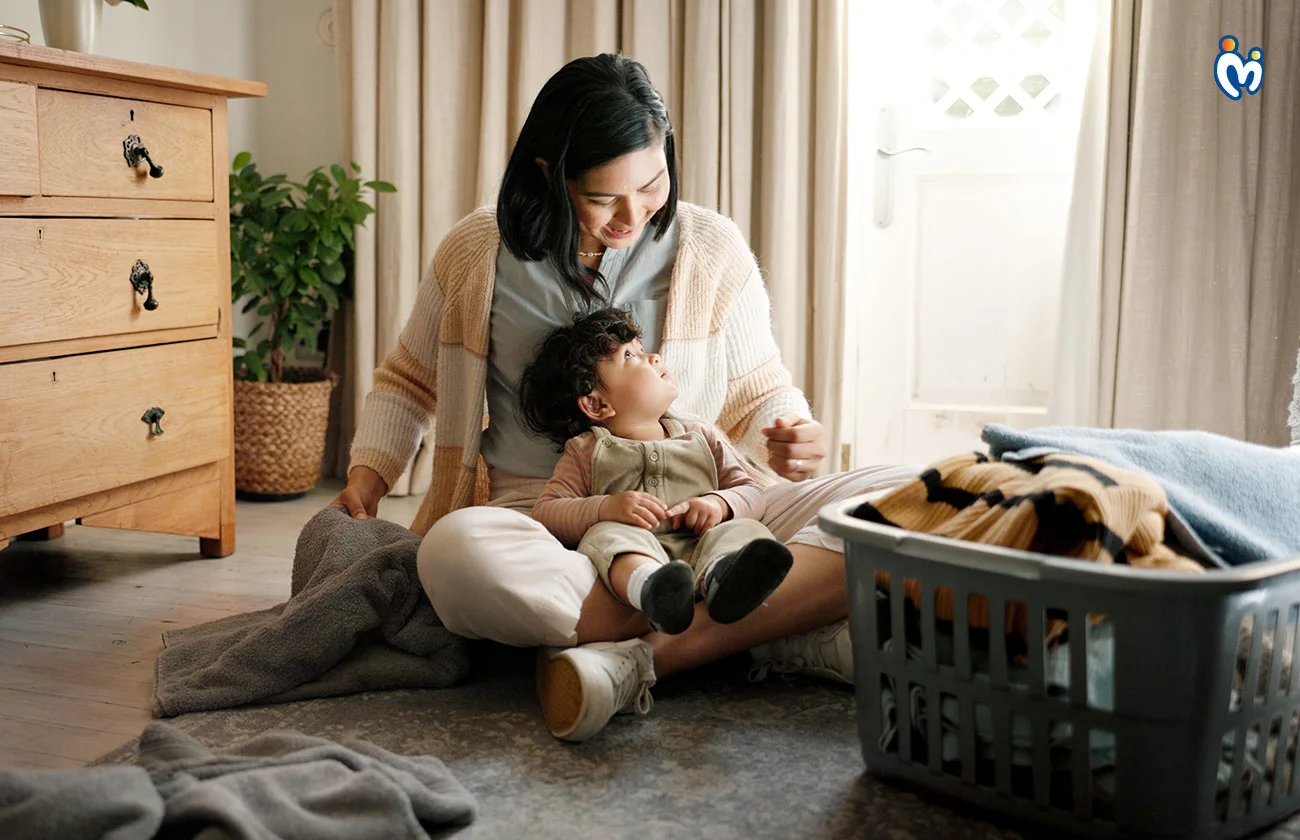
Every routine cooking, shopping, folding laundry, walking in the park is filled with natural learning activities for toddlers.
Toddlers learn best when they watch, copy, explore, and take part in daily life.
Curiosity: The Secret Ingredient in Early Learning
Sneha realized that Myra’s favorite word wasn’t “mama.”
It wasn’t “no.”
It was “Why?”
“Why is banana yellow?”
“Why does rain fall?”
“Why is papa wearing socks?”
It felt endless… and sometimes exhausting.
But these “whys” are a toddler’s brain blossoming.
Curiosity is the foundation of early learning.
And the best way to nurture it?
⭐ Ask questions back.
“What do YOU think?”
Toddlers love guessing, imagining, and exploring ideas.
⭐ Give simple explanations.
Just enough to satisfy and encourage them.
⭐ Allow them to explore safely.
Touching, tasting, banging, stacking—these are all real learning methods.
A curious child is a lifelong learner.
Play Is the Best Classroom
Structured learning can wait—but playful learning cannot.
Play builds:
- problem-solving skills
- creativity
- language
- fine motor development
- emotional resilience
- social skills
- independence
And here's the best part:
Play does not require expensive, high-tech tools.
Simple household items = the best learning toys for toddlers
A cardboard box becomes a bus…
Cloth pegs become color sorting tools…
Plastic bowls become drums…
A blanket becomes a tent…
A cup of water becomes a lesson in pouring…
Sneha once gave Myra a basket of pegs.
The little one spent an hour clipping and unclipping them.
Her hand muscles strengthened, concentration improved, and she felt independent.
All from a ₹40 packet of pegs.
But yes—good learning toys for toddlers also help
Building blocks, shape sorters, stacking cups, nesting bowls, bead mazes, puzzles, chunky crayons, playdough—all these encourage hands-on learning.
The key is rotation, not quantity.
A few open-ended toys spark more creativity than a room full of flashy ones.
Meaningful Rituals Become Lifelong Learning Habits
Learning doesn’t need to be planned.
It can be woven gently into everyday routines.
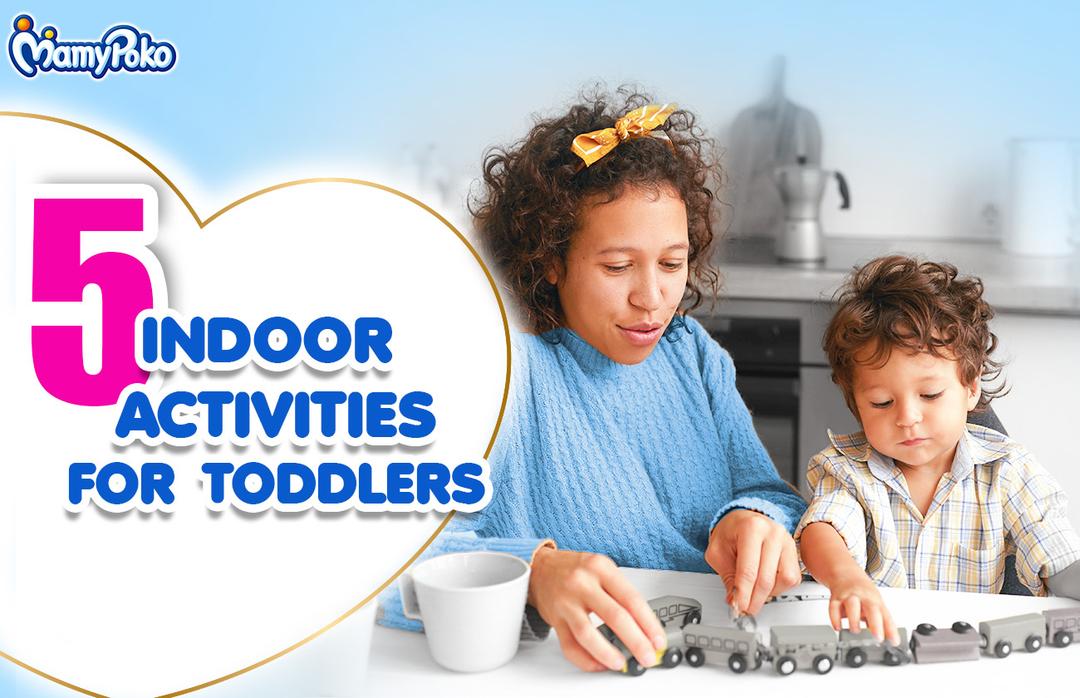
Simple learning activities for toddlers that fit effortlessly into daily life:
- Storytime before bed → builds vocabulary + imagination
- Counting stairs while climbing → introduces numbers effortlessly
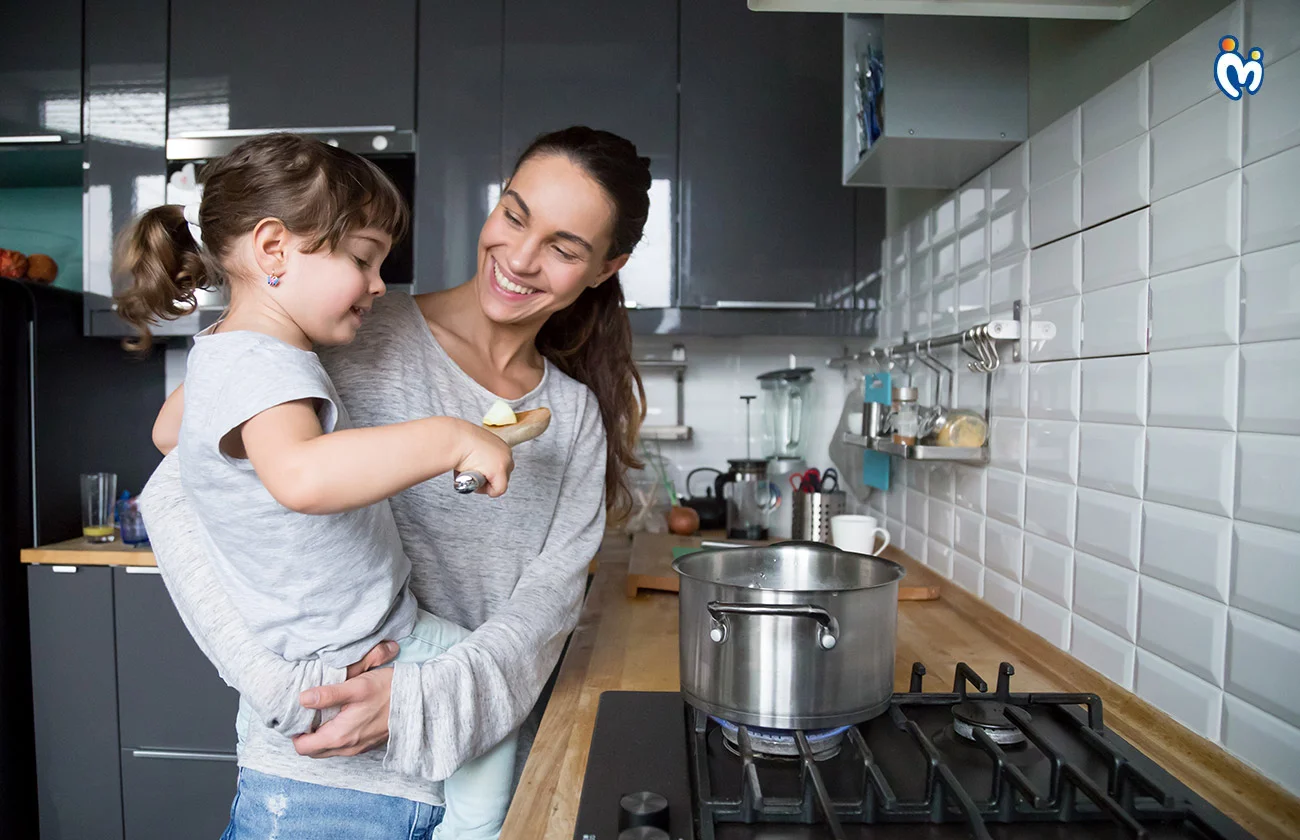
- Naming vegetables while cooking → boosts memory + language
- Singing songs in the car → improves listening and rhythm
- Letting them help with laundry → develops motor skills
- Sorting toys by color or size → early math skills
- Pretend grocery shopping → social + cognitive development
Toddler brains thrive on repetition.
Rituals become learning habits, which become lifelong skills.
Mamy as Teacher, Guide & Cheerleader
One afternoon, Sneha noticed Myra struggling with a puzzle.
Her instinct was to jump in and fix it.
But she paused.
Instead of solving it for her, she gently encouraged:
“Try turning it. You’re so close. You can do it.”
Myra tried again-and succeeded, beaming with pride.
That’s the power of gentle encouragement.
Children don’t just learn answers from mamies.
They learn:
- confidence
- persistence
- patience
- resilience
Your words become their inner voice.
When Early Learning Feels Hard
There will be days when learning feels impossible.
Days when your toddler:
- refuses to sit
- hates every activity
- throws every toy
- ignores every book
- has meltdowns for reasons unknown
And on those days, mamies often whisper:
“Am I doing enough?”
“Is my child behind?”
“Why don’t they focus?”
But every child has a unique rhythm.
Some speak early.
Some run early.
Some build. Some imagine.
Some listen. Some question. Some observe silently.
Sneha reminded herself not to compare.
Myra didn’t know all her letters yet—but she could tell stories, solve problems, and build with blocks like a champ.
Your toddler does NOT need to be “ahead.”
They only need to be gently guided, not pressured.
Fun & Easy Learning Activities for Toddlers (Age 1–4)
(Integrating keywords naturally)
1. Sensory Play Activities
- Rice or dal sensory bins
- Foam water play
- Sand scooping
- Playdough shapes
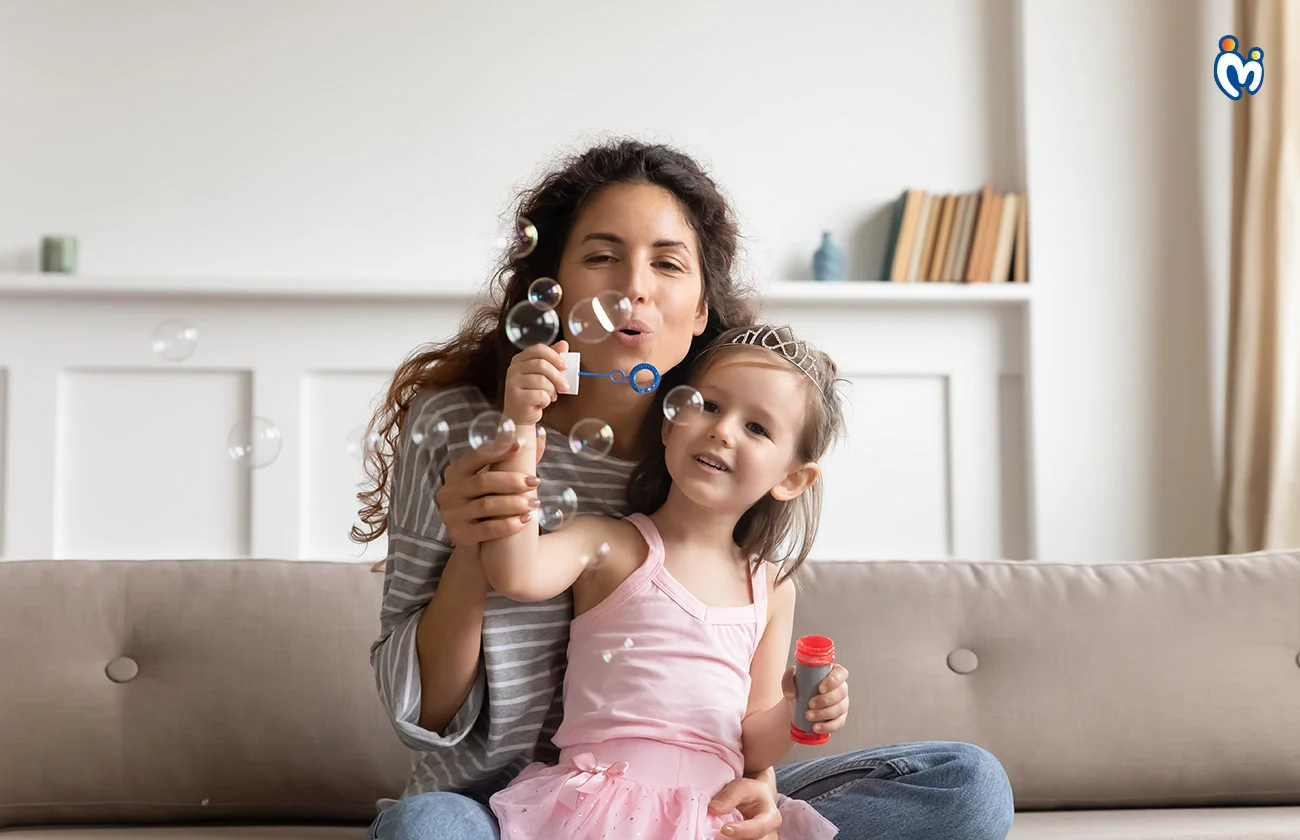
- Bubble popping
- Sensory play boosts focus and brain connections.
2. Fine Motor Activities
- Pegging
- Threading beads
- Sticker peeling
- Tearing paper
- Sorting pom-poms
- Great for pencil grip development later.
3. Cognitive Learning Activities for Toddlers
- Matching picture cards
- Color sorting
- Size sequencing
- Simple puzzles
- Stacking towers
- These build logic and problem-solving.
4. Language Activities
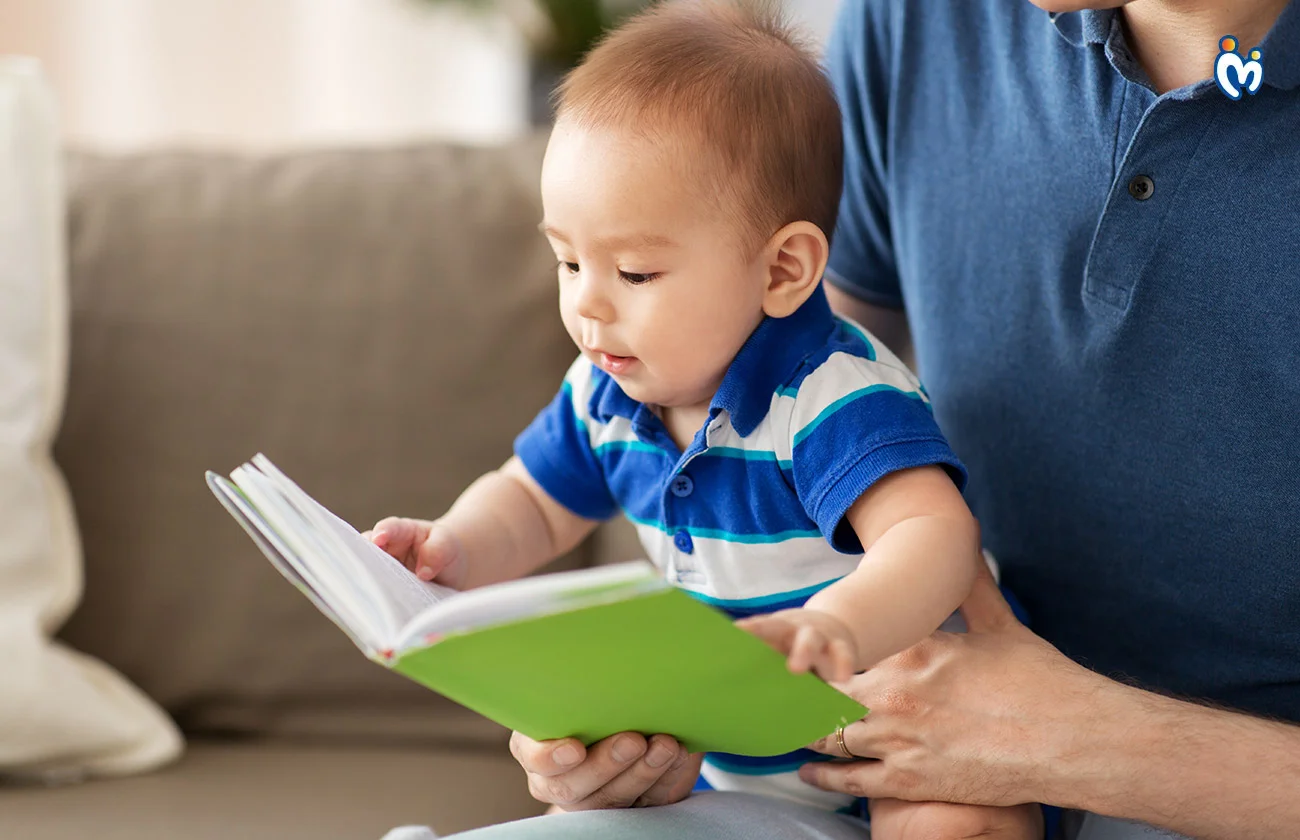
- Picture books
- Rhymes
- Talking about daily routine
- Naming objects
- Flashcards (only occasionally)
5. Outdoor Learning Activities
- Collecting leaves
- Observing birds
- Watering plants
- Free running
- Playing with mud
6. Learning Toys for Toddlers That Actually Work
- Blocks (wooden or foam)
- Shape sorters
- Stacking rings
- Magnetic tiles
- Jumbo puzzles
- Toy kitchen sets
- Musical instruments
- Busy boards
- Toy cars + ramps
- Building bricks
These toys encourage hands-on exploration, curiosity, and independent play.
FAQs Mamies Whisper to Themselves
1. Do I need to formally teach my toddler letters and numbers now?
No! At this age, learning should be fun and pressure-free.
Introduce letters and numbers through play—alphabet blocks, number puzzles, songs, and storytelling.
Formal teaching comes later, but early exposure builds a strong foundation.
2. What are the best learning activities for toddlers at home?
The best activities are simple, hands-on, and playful:
- Sensory bins
- Stacking cups
- Pretend play
- Storytime
- Pouring and scooping
- Matching games
- These activities improve cognitive and motor development without feeling like “lessons.”
3. Which learning toys for toddlers are actually useful?
The most effective learning toys are open-ended:
- Blocks
- Magnetic tiles
- Shape sorters
- Musical toys
- Busy boards
- These toys grow with your child and offer unlimited play possibilities.
4. My toddler only wants to play—are they learning anything?
Yes! Play is learning.
Through play, toddlers develop:
- curiosity
- patience
- coordination
- imagination
- communication
- problem-solving
- Play-based learning is scientifically proven to be the most effective at this age.
5. How can I reduce screen time and encourage real learning?
Try:
- co-viewing instead of solo screen time
- offering engaging toys
- creating play stations
- scheduling daily reading time
- involving toddlers in real chores
- When toddlers are meaningfully engaged, screens lose their appeal.
6. How do I know if my toddler is learning enough?
If your child is curious, playful, active, expressive, and exploring new things, they are learning beautifully.
No child learns the same way—trust their pace.
7. How can I support early learning without buying expensive toys?
You don’t need pricey items.
Use:
- kitchen utensils
- cardboard boxes
- clothespins
- scarves
- bowls
- plastic cups
- Simple items make the best DIY learning activities for toddlers.
The Teacher in You
This Teacher’s Day, celebrate yourself.
You may not have a classroom or textbooks.
You may not hand out report cards.
But you teach your toddler:
- love
- patience
- curiosity
- resilience
- joy
- imagination
You are their first teacher, their strongest guide, and their biggest cheerleader.
One day they’ll outgrow blocks and books…
But they will never outgrow the warmth, lessons, and confidence you gave them through everyday moments.
And yes, mamy—you’re doing beautifully.