Let Them Play (and Plot and Pretend)

Summary
You see it every day. The way your toddler picks up a spoon and calls it a spaceship, or turns a cushion into a dragon's den. Suddenly, the living room is a jungle. A sock is a puppet. A cardboard box? Definitely a time machine. It might look like absolute chaos to the untrained eye. But beneath that delightful mess is a wonderful, wonderful thing: a little mind building entire worlds, discovering emotions, solving puzzles, and telling stories without even realizing it.
Free play builds your toddler’s world, one make-believe at a time.
Dear Mamy,
You see it every day. The way your toddler picks up a spoon and calls it a spaceship, or turns a cushion into a dragon's den. Suddenly, the living room is a jungle. A sock is a puppet. A cardboard box? Definitely a time machine.
It might look like absolute chaos to the untrained eye. But beneath that delightful mess is a wonderful, wonderful thing: a little mind building entire worlds, discovering emotions, solving puzzles, and telling stories without even realizing it.
This is the magic of free play. And it deserves a front-row seat in your toddler’s day.
What is Free Play then, really?
Free play is unstructured, child-led playtime where your little one explores, imagines, and invents without any external direction or pressure. It’s worlds apart from flashcards or fine motor skills (though those come along for the ride). This little solitude-play gives toddlers the freedom to follow their own curiosity.
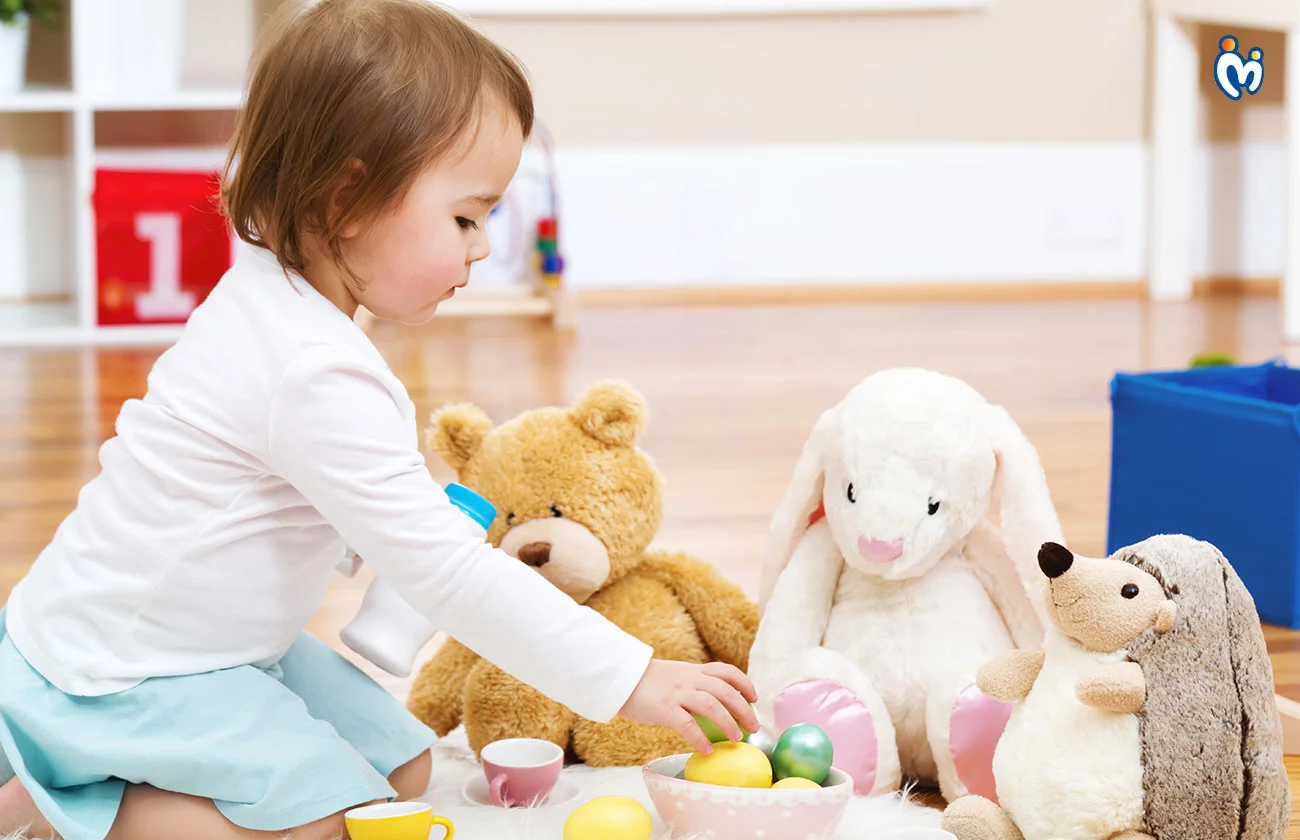
Whether they’re pretending to cook, talking to their stuffed animals, or “flying” on a sofa cushion, free play is your toddler’s way of making sense of the world around them.
Why it matters (more than you might think)
Here’s the not-so-hidden truth: free play is some serious brainwork. Through play, toddlers build lasting foundations for very important, lifelong skills:
Emotional Development
Pretend play helps toddlers express big feelings in their unique little ways. When Teddy is “sad” or the block tower “crashes,” they’re learning to name, navigate, and process emotions.
Problem Solving
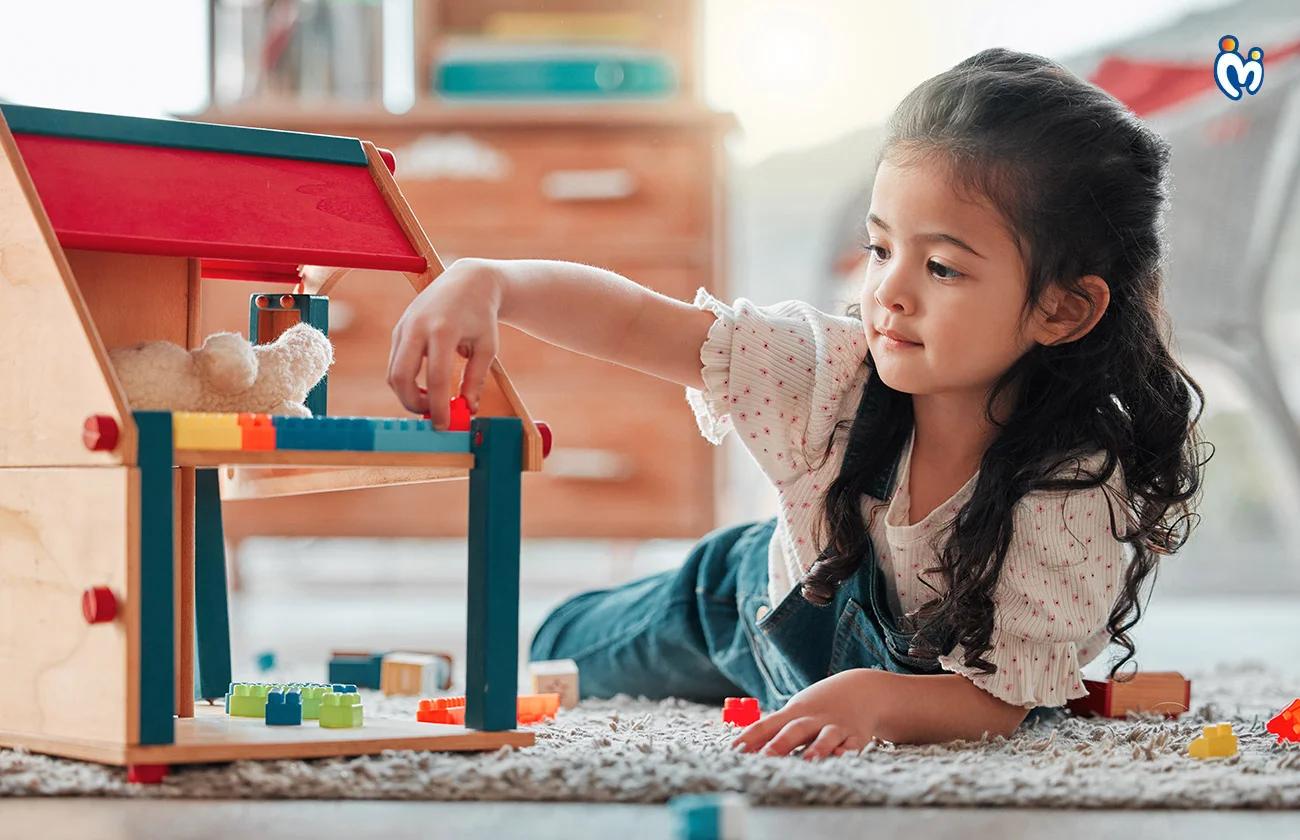
When your toddler tries to balance that last block or gets the dollhouse door to stay shut, they’re putting persistence, strategy, and resilience into practice.
Language Explosion
Play sparks conversations: even if they are, hilariously enough, between a banana and a race car. Toddlers narrate, invent dialogue, and build vocabulary effortlessly during pretend scenarios.
Social Skills
Whether they’re playing solo or with a playmate, toddlers practice empathy, sharing, and turn-taking through imaginary play. “You be the baby, I’ll be the doctor” might just be the sweetest teamwork ever.
Creativity & Confidence
Making up stories, creating characters, assigning roles—free play turns toddlers into tiny storytellers. And with every plot twist, their confidence blooms.
What It Looks Like (And What It Doesn’t)
Free play isn’t Pinterest- savvy or Instagram-perfect. It’s quite spontaneous, very messy, and sometimes a little weird (yes, the stuffed lion is wearing a diaper again).
That’s okay. Actually, that’s wonderful.
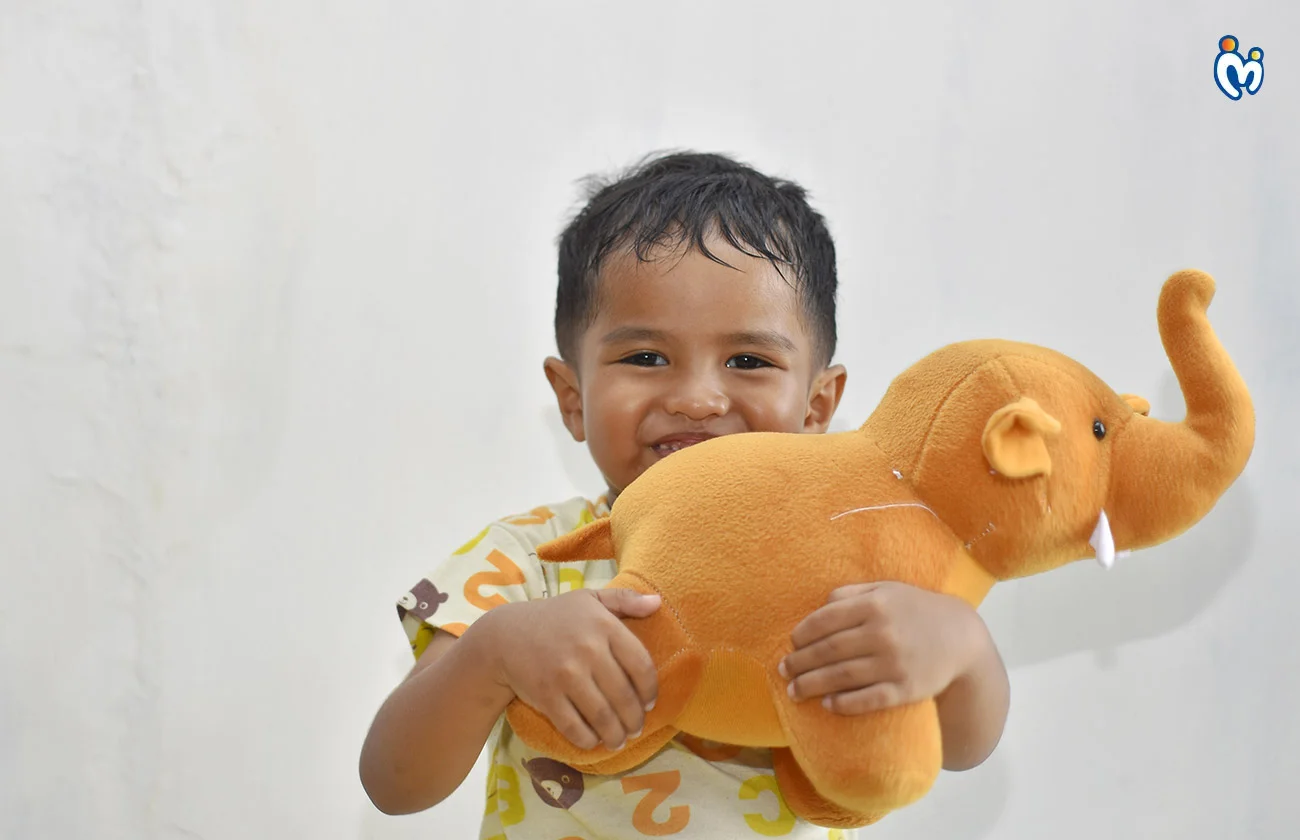
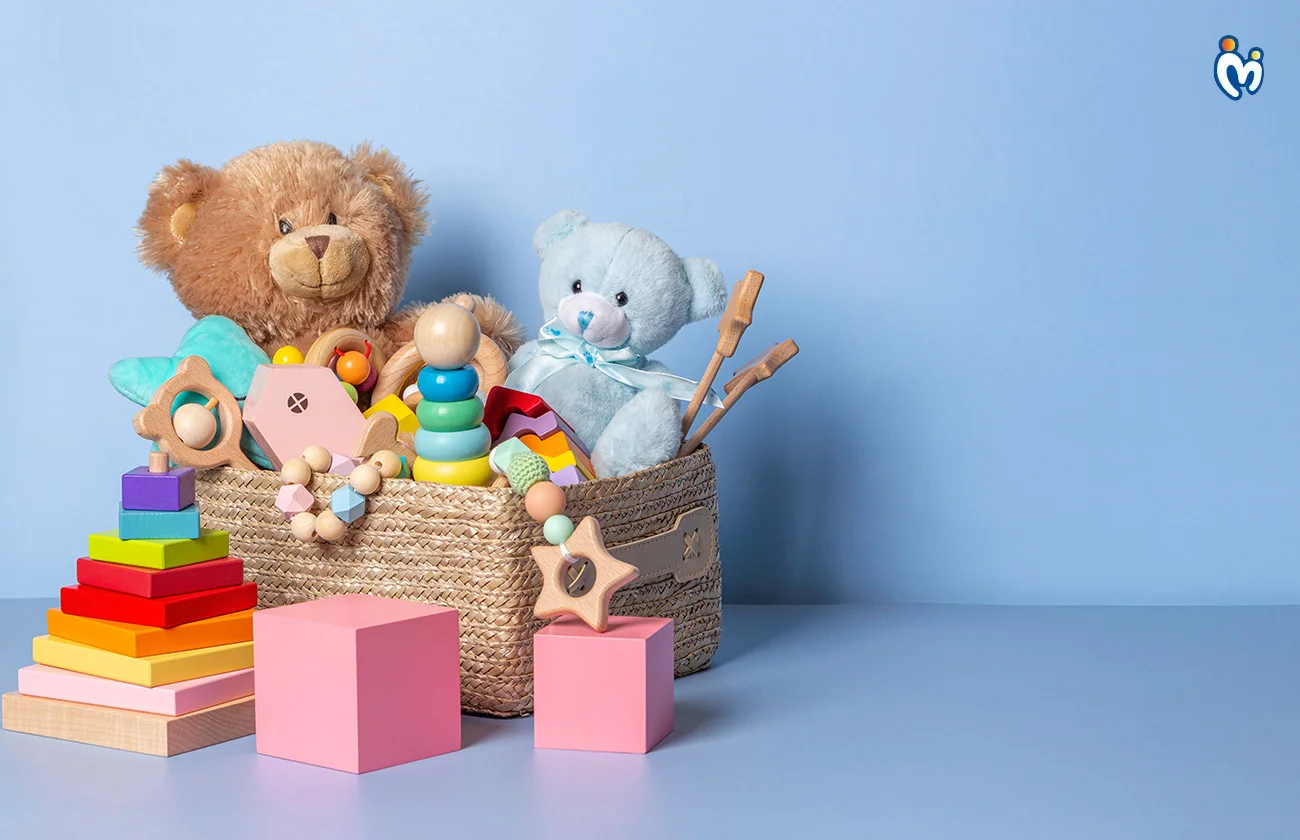
Free play doesn’t really need to involve toys with buttons or fancy gadgets. In fact, the less the toy does, the more your toddler’s brain gets to do.
Think:
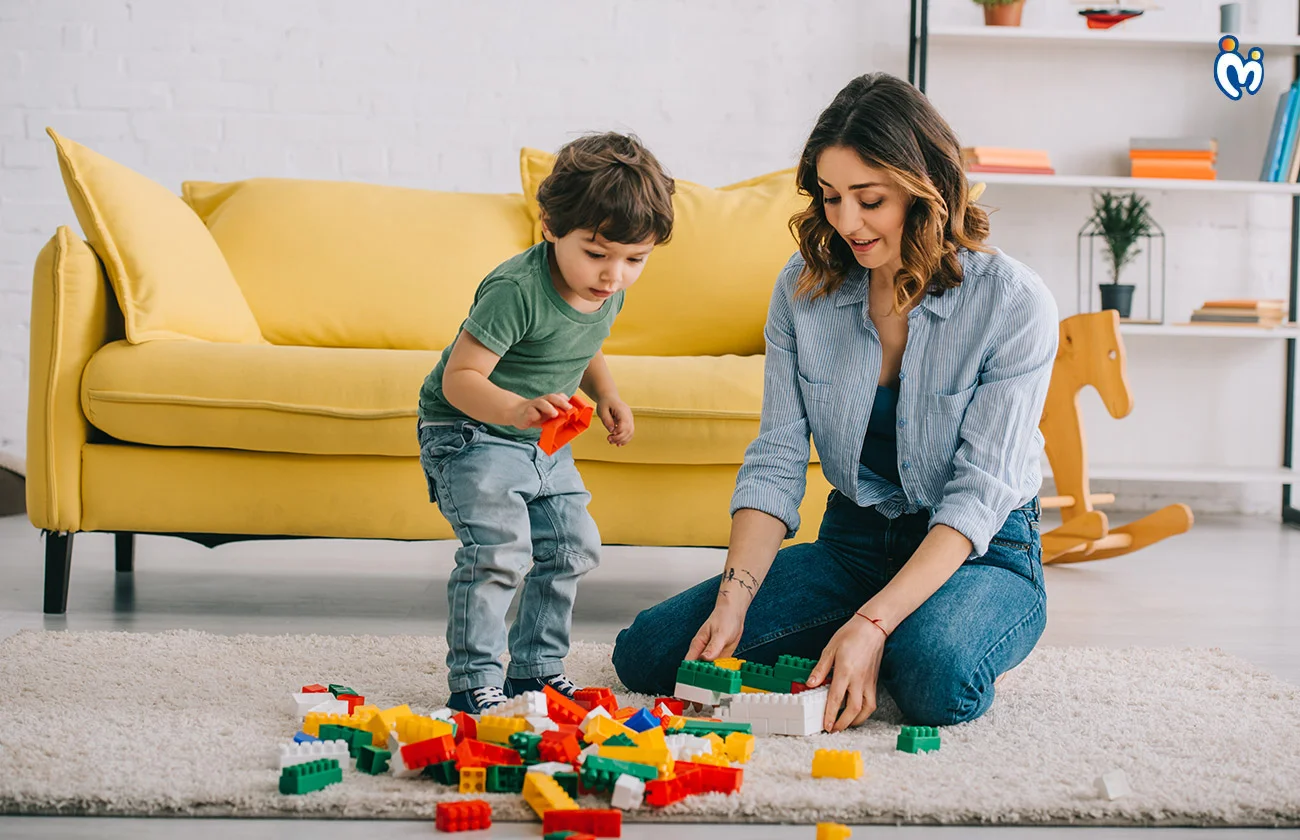
- Wooden blocks
- Scarves
- Kitchen utensils
- Dolls, animals, and action figures
- Cardboard boxes (forever the MVP)
Give them space, watch what unfolds, and resist the urge to jump in and “fix” or “lead.” The beauty is in what they discover all on their own.
“But What About Structure?”
You don’t need to fill every minute of your toddler’s day with learning or activity. Play is learning.
You can absolutely have routines and rhythms: toddlers thrive on them. But make sure there’s room for some “unscheduled” time too. Even just 20–30 minutes of uninterrupted free play a day can spark growth, big time.
And while screen time is temptingly convenient (and sometimes necessary — we see you, Mamy), you can try and balance it with offline, imagination-fueled fun to ensure that your little one doesn’t lose out on intellectual stimulation, brain development and emotional regulation skills.
How to Support (Without Taking Over)
You don’t need to create elaborate play stations or reinvent the wheel for your baby. Here’s how to encourage free play in small, meaningful ways:
1. Create a Yes Space
A safe, toddler-proof area where they can move, climb, or build without constant redirection gives them freedom to play fearlessly.
2. Rotate Toys
Keep things fresh by switching out a few toys every week or so. Fewer choices often mean deeper, more creative play.
3. Play Along (Sometimes)
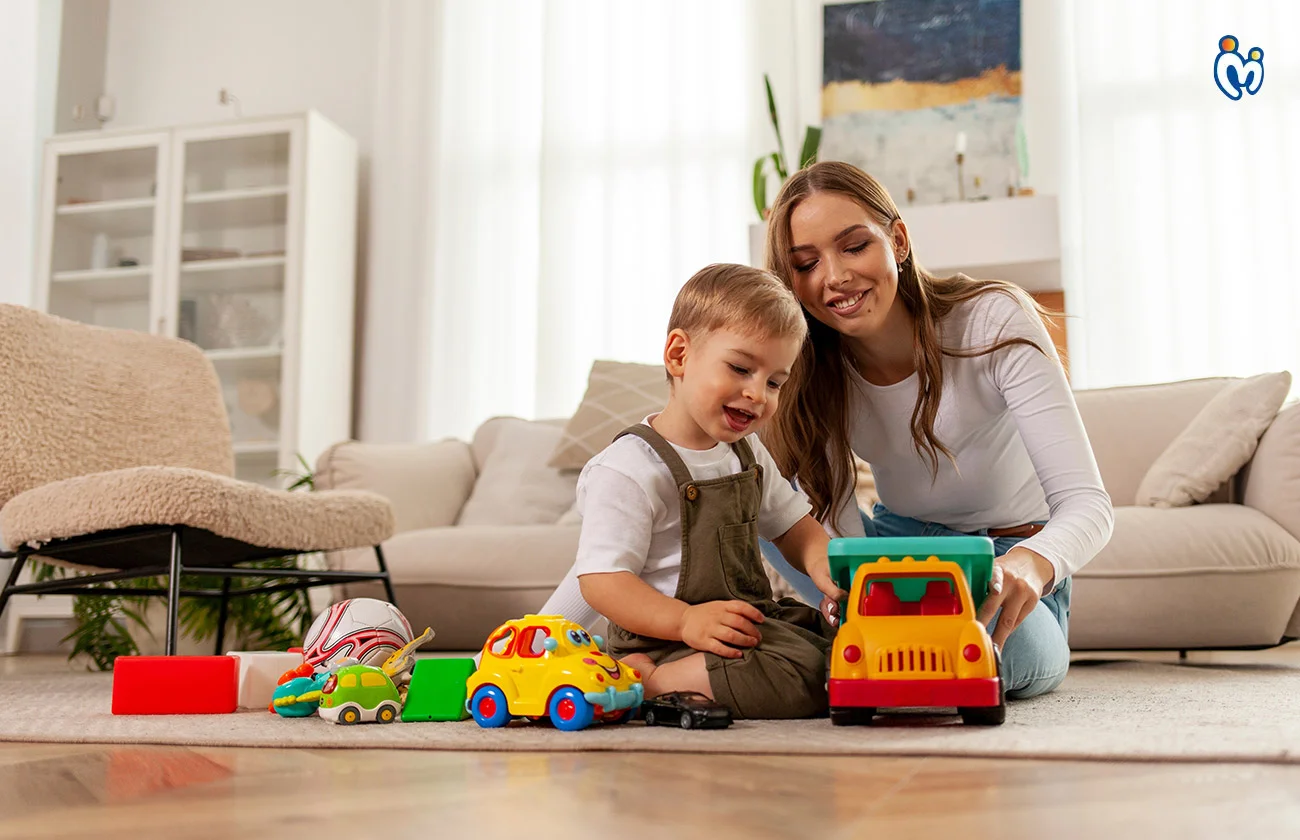
You’re welcome in their world, but let them lead the play. Ask, “What should I do next?” or “Who am I today?” and see where they take you.
4. Narrate Their Play
If they’re deep in dragon battles or tea parties, try narrating gently: “Oh! The knight is climbing the mountain!” This encourages language and imagination without taking control.
5. Celebrate the Weird and Wonderful
Yes, your toddler just made a sandwich for the dinosaur. Applaud the creativity. That imagination is a superpower, that’s going to bloom more over time.
Let’s bust some myths, now!
“They need more structured learning.”
Actually, toddlers learn best through self-directed play. It’s how they absorb information and develop life skills.
“They’re just playing—it’s not important.”
Play is how your toddler practices being human. It’s the most important “work” they’ll ever do.
“I’m not doing enough if I’m not constantly playing with them.”
Not true. Toddlers need solo play to explore independence. Your job is not to constantly entertain your toddler. Sometimes, it is enough to create space for their imagination to shine.
Dear Mamy, let them lead, and let them play on!
You’re already doing the most loving thing by letting your little one explore and imagine freely. Playtime is how toddlers say, “I’m curious,” “I’m learning,” “I’m becoming me.”
So when you see them covered in marker, wearing a saucepan hat, and talking to a banana named Charlie… smile.
While they play, they’re building a brain, a heart, and a whole world in their minds, one pretend moment at a time.
FAQ's
Popular Blogs




Other Related Blogs

Potty Training Your Toddlers: Everything You Need to Know
Potty training is a big step, right? It is a milestone in your baby’s life when they start taking their first ...

5 indoor activities for toddlers
Congratulations! If you’ve just confirmed your pregnancy, you’re probably thinking about how to tell friends a...
How To Switch from bottle feed to Glasses
Congratulations! If you’ve just confirmed your pregnancy, you’re probably thinking about how to tell friends a...
Hey mamies, stay connected!
Sign up and get an opportunity to receive complimentary samples with our informative email newsletter.