Understanding Pregnancy Symptoms: What's Normal and When to Worry

Summary
Explore pregnancy symptoms from common discomforts like nausea and fatigue to warning signs such as severe pain or bleeding. Knowing what's normal and when to seek medical advice ensures a safe and healthy journey for both mother and baby.
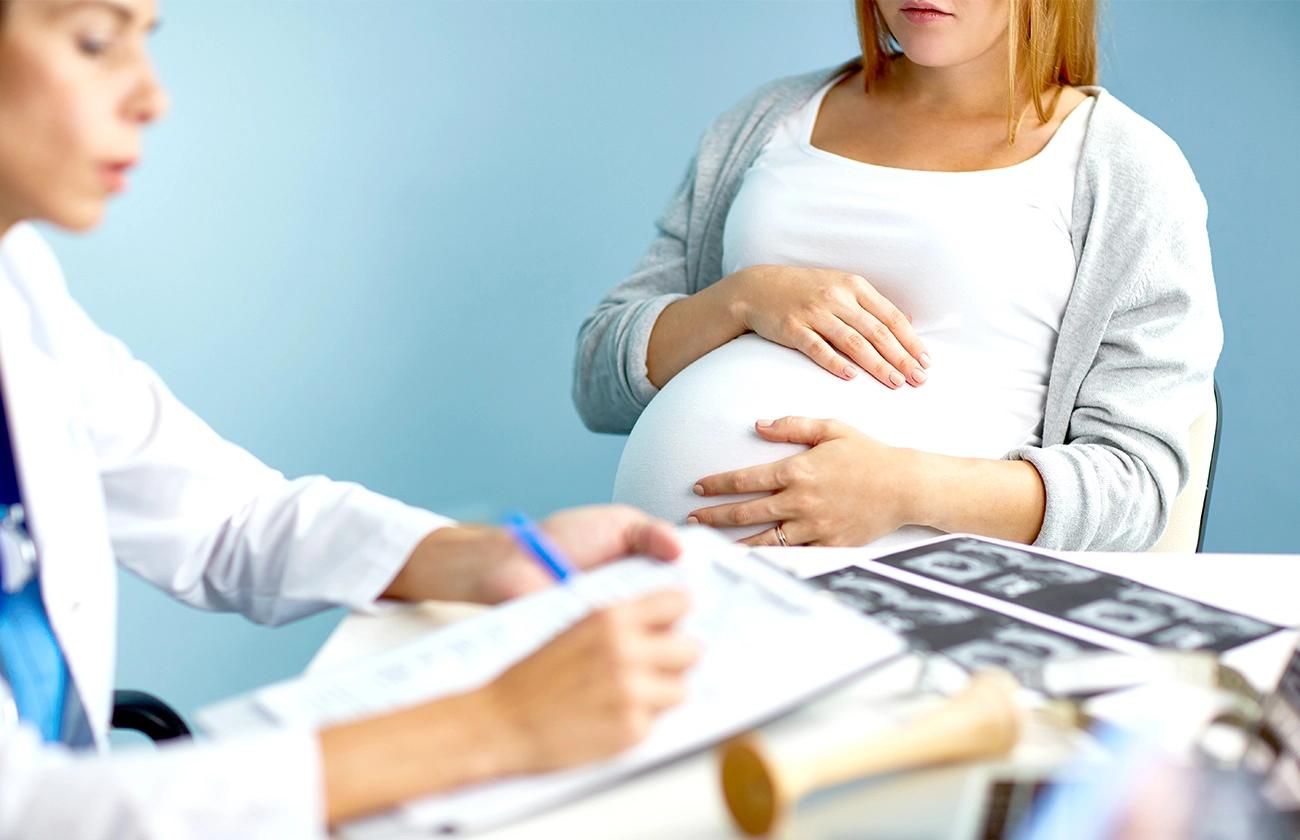
A missed period is one of the early symptoms of pregnancy and the most common sign that women see before confirmation. Other symptoms gradually appear as your hormones change during the baby's development inside you.
However, a missed period doesn’t always mean you are pregnant, and that’s why getting a second confirmation is important. Some people choose to visit a doctor, while others take a home test to confirm their pregnancy. Significant hormonal changes take place during pregnancy, which can trigger multiple symptoms.
Some women may experience various mild-to-severe symptoms, while others may have only a few.
In this guide, we'll explore common pregnancy symptoms, their implications, and when to consult your healthcare provider for peace of mind.
Morning Sickness
Morning sickness, followed by nausea and vomiting, is one of the most well-known pregnancy symptoms. While it's often referred to as "morning" sickness, it can occur at any time of the day. For many women, morning sickness is a normal part of pregnancy, typically peaking during the first trimester and gradually improving as the pregnancy progresses.
However, severe or persistent nausea and vomiting, accompanied by dehydration or weight loss, may indicate a condition called hyperemesis gravidarum, which requires medical attention.
Breast Changes
A change in the breast is one of the first noticeable signs of pregnancy, as your breast may begin to feel tender, swollen, and generally heavy or full. Along with the change in breasts, your nipples may also become larger and more sensitive.
Fatigue
Fatigue is another common symptom experienced by many pregnant women, especially during the first and third trimesters. The body undergoes significant changes during pregnancy, including hormonal fluctuations and increased blood volume, which can contribute to feelings of exhaustion.
While fatigue is often considered a normal part of pregnancy, excessive or debilitating fatigue may indicate underlying issues such as anemia or thyroid dysfunction, necessitating evaluation by a healthcare provider.
Food Cravings
Food cravings are common during pregnancy, especially for food products that provide energy and calcium, such as milk and other dairy products. You may also experience a sudden distaste for foods you previously liked.
Some women also develop an unusual taste for non-food items, which is called pica, and it indicates nutrient deficiency. Consult your doctor in such a case.
Bleeding and Spotting
Bleeding or spotting during pregnancy can be alarming for expectant mothers, as it may signal underlying issues such as miscarriage or ectopic pregnancy.
While some light spotting is relatively common, especially during the first trimester, persistent or heavy bleeding, particularly accompanied by abdominal pain or cramping, warrants immediate medical attention.
Your healthcare provider can evaluate and determine the cause of the bleeding and provide appropriate management.
Swelling and Discomfort
As the body adapts to accommodate the growing baby, pregnant women may experience various aches and pains, including swelling, back pain, and pelvic discomfort.
While mild swelling and discomfort are typical pregnancy symptoms, especially in the later stages, severe or sudden swelling, particularly in the hands, face, or legs, could be a sign of preeclampsia, a serious condition that requires immediate medical attention.
Additionally, persistent or severe back pain may indicate musculoskeletal issues or other underlying concerns that warrant evaluation by a healthcare provider.
Fetal Movement
Feeling your baby's movements, known as "quickening," is an exciting milestone in pregnancy. While fetal movement patterns vary from one pregnancy to another, most expectant mothers begin to feel their baby's kicks and flutters between 18 and 25 weeks of gestation.
Regular fetal movements are generally a reassuring sign of fetal well-being. However, a decrease in fetal movement or a sudden change in movement patterns should prompt immediate medical evaluation to ensure the baby's health and well-being.
Varicose Veins
Varicose veins are very common in pregnancy due to a lot of factors, like an increased volume of circulating blood, the pressure of the pregnant uterus, and more. The increased pressure on the veins can also result in swelling, followed by cramps and heaviness.
If you think you are pregnant, you should not rely on signs and symptoms for confirmation. Taking a home pregnancy test or consulting your doctor. Many of the early pregnancy signs can be considered premenstrual syndrome. A wide range of changes can happen in your body in the different stages of pregnancy, including backaches, headaches, constipation, mood swings, and more.
FAQ's
Popular Blogs





Other Related Blogs


Spices to Avoid During Pregnancy: A Complete Guide for Expecting Mothers
Congratulations! If you’ve just confirmed your pregnancy, you’re probably thinking about how to tell friends a...


Pregnancy Trimesters: Know what to expect
Explore a detailed guide to understand development stages across trimesters and at birth. Check out the insigh...

Cool Ideas to Announce Pregnancy to Partner
Congratulations! If you’ve just confirmed your pregnancy, you’re probably thinking about how to tell friends a...
Hey mamies, stay connected!
Sign up and get an opportunity to receive complimentary samples with our informative email newsletter.