
Normal Delivery vs C-Section: What Indian Parents Should Know

Summary
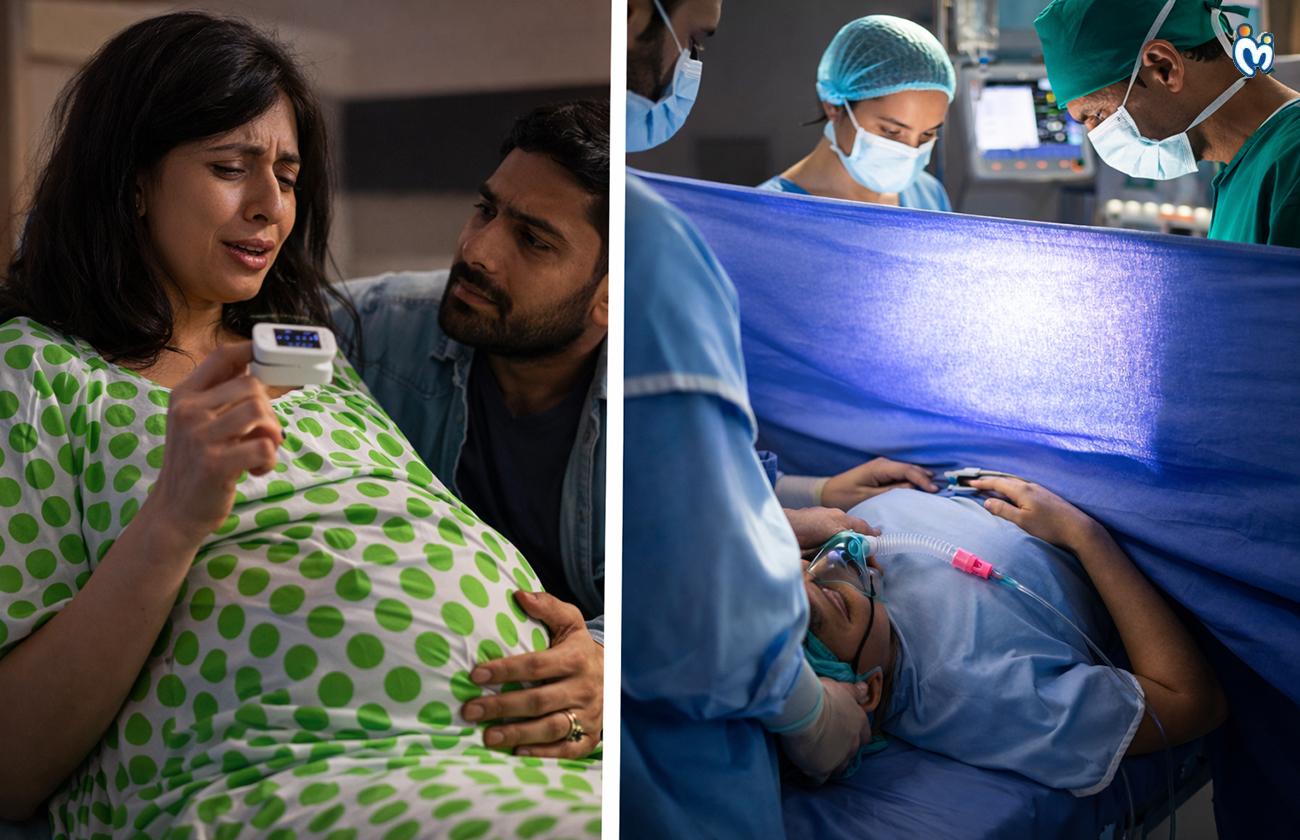
Choosing between normal delivery and C-section is one of the most common concerns for expecting parents in India. This guide gently breaks down both childbirth methods without judgment, helping you understand what each option involves, when doctors recommend them, and how recovery differs. From how labour progresses in a normal delivery to when a C-section becomes medically necessary, the article covers practical insights every parent should know. It also explores recovery timelines, impact on the baby, common myths in India, and factors that influence the final decision. Rather than pushing one method over the other, this guide focuses on clarity, safety, and informed choices—so parents can feel prepared and confident as they approach childbirth.
At some point in pregnancy, this question finds its way in. Normal delivery or C-section? Sometimes it comes gently from your doctor, as a way to gauge your preparedness for birth. Sometimes it comes with strong opinions from people around you.
Either way, it can start to feel like there is a right answer you are supposed to arrive at. There isn’t. When parents google it up, “normal delivery vs c section”, they are usually looking for clarity. Not judgement. Not pressure. Just a steady understanding of what lies ahead.
Across India, conversations around c section vs normal delivery have grown louder. C-section rates are rising. So are doubts, fears, and second guesses. So let’s slow this down. This is not about choosing sides. It is about understanding delivery methods in pregnancy in a way that feels clear, grounded, and useful.
What Is Normal Delivery?
The normal delivery meaning is simple. It refers to vaginal birth. The baby is delivered through the birth canal, without surgery. For most low-risk pregnancies, doctors usually support this path first.
But labour does not follow a script.
Some mothers move through it steadily. Some take time. And some are surprised by how quickly it unfolds. All of it still sits within the space of normal delivery!
How labour usually progresses
Labour begins quietly for many.
- Contractions may start mild and spaced out
- Over time, they grow stronger and closer
- The cervix gradually opens to allow the baby to pass
Once fully dilated:
- The pushing stage begins
- The baby is delivered
It sounds linear when written. In reality, every mother’s labour has its own pace.
When Doctors Recommend Normal Delivery
Doctors usually lean towards vaginal birth when:
- The pregnancy is low risk
- The baby is in a head-down position
- The mother’s health supports labour
One practical aspect many parents notice is recovery after normal delivery.
- Movement can begin within hours
- Feeding and holding the baby feels easier early on
- Full healing still takes time, often a few weeks
There are moments, though, when plans shift. And that is where medical judgement steps in.
What Is a C-Section Delivery?
The c section delivery meaning is also straightforward. It is a surgical birth where the baby is delivered through an incision in the abdomen and uterus. It happens in a hospital setting, under anaesthesia. There is a common assumption that this is an easier route, but it really isn’t. It is a medical decision taken with a lot of care and consideration.
So, when is C section required in pregnancy?
Doctors may recommend it when:
- The baby is not in a safe position
- The placenta blocks the cervix
- Labour is not progressing
- The baby shows signs of distress
- The mother develops certain medical conditions
In these moments, the conversation around normal delivery vs c section becomes clear. Safety guides the decision!
Planned and emergency C-sections
Not all C-sections happen the same way.
- Planned C-sections are scheduled in advance
- Emergency C-sections happen during labour if needed
Both are common. Both are valid parts of childbirth.
Normal Delivery vs C-Section – Key Differences
When people search normal delivery vs c section, they are often trying to picture the experience. Here is how they differ in practical ways.
Labour process
- Normal delivery involves contractions and active labour
- C-section bypasses labour with a surgical procedure
Pain and comfort
- Labour pain is part of vaginal birth
- Surgery itself is pain-free due to anaesthesia
- Discomfort in C-section appears during recovery
Recovery time
- Recovery after normal delivery is usually quicker
- C section recovery time is longer due to surgery
- Full healing for C-section may take 6 to 8 weeks
Hospital stay
- Vaginal birth often allows discharge in 1 to 2 days
- C-section may require a 3 to 5 day stay
These are general patterns that are observed for better administration of healthcare, but individual experiences can vary!
Recovery After Normal Delivery vs C-Section
No two recoveries look the same. But some common experiences can help set expectations.
Recovery after normal delivery
In the first few days:
- Soreness in the vaginal area
- General fatigue
- Possible stitches or swelling
Most mothers begin caring for their baby almost immediately.
Recovery after a C-section
Healing asks for more patience.
- Early days may include:
- Care around the incision
- Limited movement
- Avoiding strain
The c section recovery time usually spans several weeks. Support at home makes a real difference here.
Impact on Baby: Normal Delivery vs C-Section
Parents often ask about baby health normal vs c section. The reassuring part is this. Most babies do well, regardless of how they are born.
A few differences exist:
- Vaginal birth exposes babies to beneficial bacteria
- C-section babies may need brief support with breathing in some cases
Doctors monitor both closely. Over time, these early differences tend to even out.
Common Myths About Delivery Methods in India
There are many myths about c section delivery that continue to circulate. Some of the most common ones:
“C-section is the easy option”
It is surgery. Recovery takes time and care.
“Once a C-section, always a C-section”
Not always true. Future options depend on medical advice.
“Pain relief means weakness”
Pain management is a personal decision. There is no right or wrong here.
“Normal delivery harms the body”
With proper care, most women recover well.
Facts tend to be quieter than opinions. But they matter more.
Factors That Influence the Choice of Delivery Method
The choice between normal delivery or c section rarely comes down to one factor.
Doctors consider:
- The mother’s health
- The baby’s position
- Past pregnancy history
- Labour progression
- Real-time medical observations
This is why… the answer to “which delivery is safer, normal or c section” is always situational.
How Parents Can Prepare for Either Delivery
Preparing for childbirth in India often means planning and staying open at the same time.
Keep your plan flexible
- Note your preferences
- Stay open to change if needed
Birth can shift direction. That is normal.
Pack your hospital bag early
Include:
- Comfortable clothes
- Medical records
- Baby essentials
- Personal items
It removes last-minute stress.
Arrange support
- Help at home in the first few weeks matters
- Recovery feels easier when you are not doing everything alone
Small preparations go a long way.
Final Thoughts
The conversation around normal delivery vs c section can feel heavier than it needs to be. It is often framed as a choice to defend.
It is not. Some births take time and unfold gradually. And some need surgical support to stay safe.
Both lead to the same place. A mother held with care, and a baby brought into the world safely. And at the end of the day, that’s all that matters.
FAQ's
Popular Blogs





Other Related Blogs

Understanding Pregnancy Symptoms: What's Normal and When to Worry
Explore pregnancy symptoms from common discomforts like nausea and fatigue to warning signs such as severe pai...

Spices to Avoid During Pregnancy: A Complete Guide for Expecting Mothers
Congratulations! If you’ve just confirmed your pregnancy, you’re probably thinking about how to tell friends a...

Pregnancy Trimesters: Know what to expect
Explore a detailed guide to understand development stages across trimesters and at birth. Check out the insigh...
Hey mamies, stay connected!
Sign up and get an opportunity to receive complimentary samples with our informative email newsletter.