Myth vs Facts: Mom And Baby During COVID-19

Summary
Congratulations! If you’ve just confirmed your pregnancy, you’re probably thinking about how to tell friends and family the exciting news. Whether you’re a first-time mom or you’re adding a new sibling to your little ones’ lives, sharing this news can be a fun way to spread the joy. Here are some ideas for making your pregnancy announcement special and memorable.
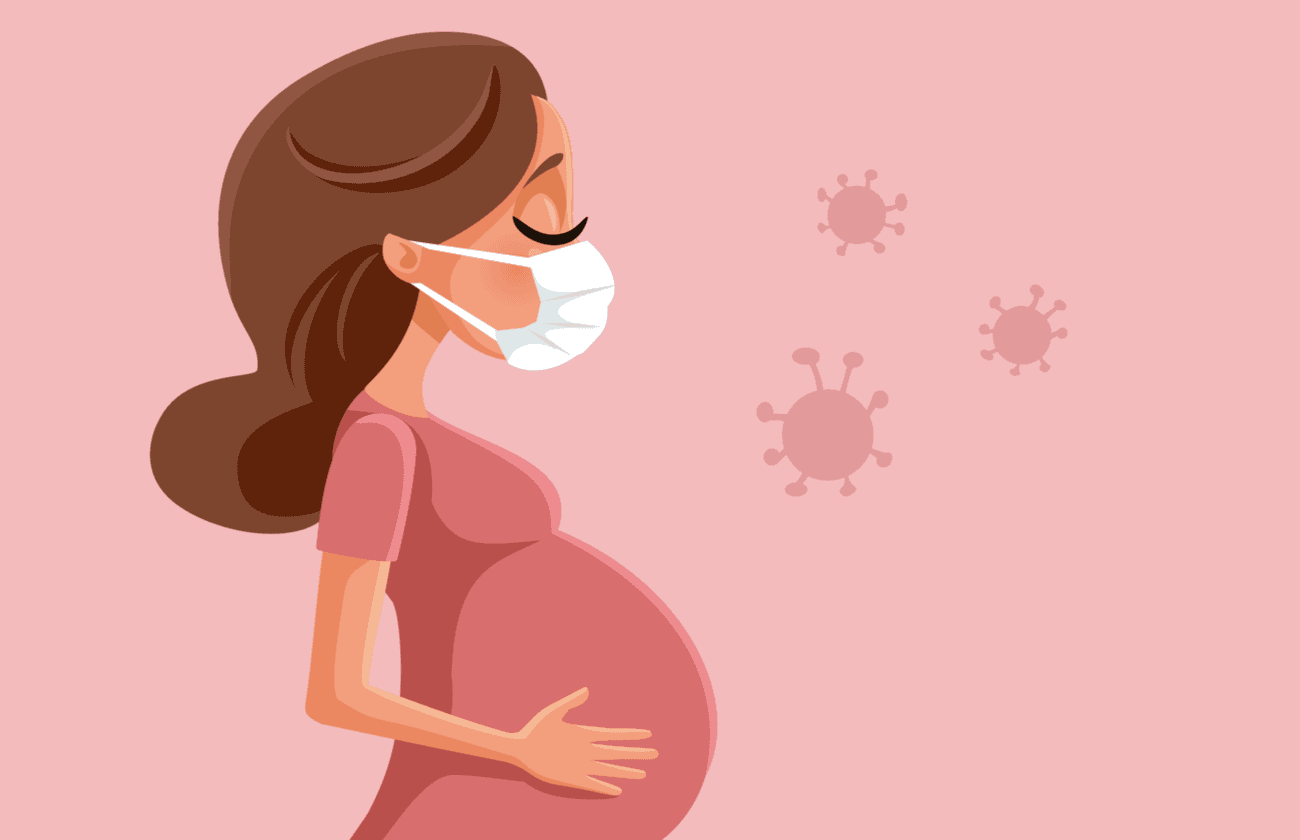
Is the vaccination safe for pregnant women? Can they pass the infection to their babies if they test positive for Covid-19? There are a lot of quotations that need to be answered to help mothers and expecting ones to be as prepared as possible. Keep reading to be informed about some of the most common myths and misconceptions about COVID and motherhood.
Myths vs facts
Myth 1 - You cannot get vaccinated if you are pregnant.
Fact - Although vaccination is a choice, it is good to talk to a healthcare provider and discuss the possible side effects of taking the vaccination. The vaccine is not made of the live and active virus so there is not a presumed threat to taking the vaccine when pregnant. On saying this, it is advisable to wait to deliver the baby and then take the vaccine. The vaccine causes hormonal changes that affect the physical and mental state of the mother. This could be overbearing for her as a whole.
Myth 2 - Babies cannot contract COVID-19.
Fact - Unfortunately, this is not true. People of all ages are susceptible to contracting the virus and this includes babies. A study in China showed that among all the positive cases tested in the county, 2% was of people of the ages 0-19. Despite the mortality rate being low for younger people, they can still contract the virus and transmit it to anyone in the vicinity.
Myth 3 - A COVID-19 positive mother can transmit the virus to the baby while breastfeeding.
Fact - If a mother with a newborn baby test positive for COVID-19, there is a risk of transmitting the virus through the respiratory tracts. However, the virus does not get passes on through breast milk. If you are a COVID-19 positive mother and are concerned about transmitting the virus to your newborn, there are alternative available to you. You can have your breast milk expressed and another person, who tests negative for the virus, can feed your baby. It is important to not stop feeding your baby breast milk as it is the best and most nutritious food that you can feed your baby.
Myth 4 - Pregnant women are at a higher risk of contracting the virus.
Fact - There is no proven evidence that pregnant women are at a higher risk of contracting the virus as compared to anyone else. In saying this, pregnant women experience a lot of hormonal and health changes which makes them more vulnerable to falling ill. This means that they can fall ill but it would not necessarily be because of the coronavirus. But it is seen that pregnant women who have contracted the virus faced a lot more complications during their gestation period. Hence, it is better to be safe than sorry and stay precautious of the virus at all cost.
Myth 5 - I cannot hold my newborn baby if I am COVID-19 positive.
Fact - With the correct precautions to be followed, you are allowed to hold your baby even if you have COVID-19. Wearing a good mask, gloves and washing your hands is primary to this process. After this, you can help your baby and breastfeed as there is no link between human milk transmission and the amniotic fluid. Breastfeeding is safe even when you test positive for the virus. If you still feel unsafe to hold your baby to be in close contact with them if you are positive, you can wait until you are fully recovered from the virus to hold them. Alternatively, a certified nurse can express your breast milk and feed it to your baby while you recover. But avoid resorting to external sources of nutrition for your baby as breast milk is the best and most wholesome food for your baby.
Myth 6 - If a pregnant woman tests positive for the virus, she will transmit it to her baby.
Fact - Most children are born unaffected by the virus even if the mother tested positive for the virus during the pregnancy. It is uncommon for newborns to have COVID-19. However, those babies that test positive for the virus normally recover without any casualties and extreme symptoms.
Pregnancy during COVID times may be intimidating due to all the extra precautions necessary for the safety and security of the mother and her baby. On some occasions, there are challenges that the family must overcome but with the correct knowledge and aid, pregnancy can be made easier. It is important to stay informed and talk to the right people for advice and precautionary measures. This way, COVID-19 may not have too much of an impact on the pregnancy experience.
References:
- https://timesofindia.indiatimes.com/life-style/health-fitness/health-news/experts-demystify-the-myths-around-vaccination-for-new-mothers/articleshow/82309425.cms
- https://www.enfamil.com/articles/babies-children-and-covid-19-myths-vs-facts/
- https://www.who.int/news-room/q-a-detail/coronavirus-disease-covid-19-pregnancy-and-childbirth
FAQ's
Popular Blogs

Other Related Blogs

Understanding Pregnancy Symptoms: What's Normal and When to Worry
Explore pregnancy symptoms from common discomforts like nausea and fatigue to warning signs such as severe pai...

Spices to Avoid During Pregnancy: A Complete Guide for Expecting Mothers
Congratulations! If you’ve just confirmed your pregnancy, you’re probably thinking about how to tell friends a...
Pregnancy Trimesters: Know what to expect
Explore a detailed guide to understand development stages across trimesters and at birth. Check out the insigh...
Hey mamies, stay connected!
Sign up and get an opportunity to receive complimentary samples with our informative email newsletter.