
5 Tips to Figure Out Your Fertile Window

Summary
Trying to conceive? Understanding your body's fertility signs and identifying your fertile window can greatly boost your chances. Here are a few tips to pinpoint the best time for conception.
Are you and your partner trying to conceive? Understanding your body's fertility signs and recognising your fertile window can significantly boost your chances of getting pregnant. While having regular intercourse increases the likelihood of conception, being aware of your menstrual cycle and ovulation patterns can be invaluable.
Here are five tips to help you pinpoint the best time for conception
Know Your Cycle
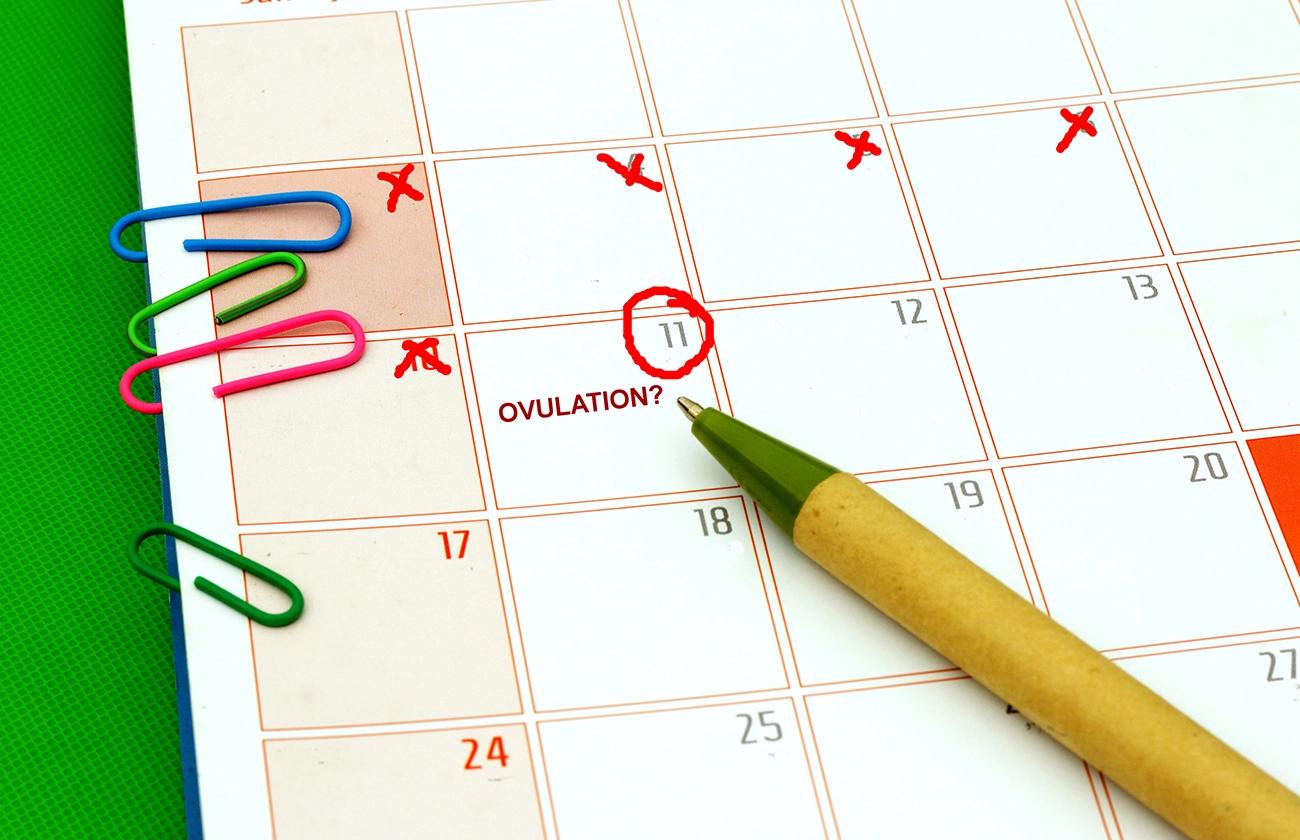
Familiarise yourself with your menstrual cycle to identify your fertile window. Typically, ovulation occurs around the middle of your cycle, about 14 days before the start of your next period. However, if your cycle is longer or shorter, ovulation may occur earlier or later. Tracking your cycle for a few months can help determine your ovulation pattern.
Use Ovulation Predictor Kits
Ovulation predictor kits are available over the counter and can help you predict when you're about to ovulate. These kits detect the surge in luteinizing hormone (LH) that occurs 24 to 36 hours before ovulation. To use these kits, simply follow the instructions on the package and test your urine daily around the time you expect to ovulate.
Monitor Basal Body Temperature
Your basal body temperature (BBT) is your lowest body temperature at rest, which typically increases slightly after ovulation due to hormonal changes. By tracking your BBT daily with a basal body thermometer, you can identify the slight temperature rise that occurs after ovulation. To use this method effectively, take your temperature every morning before getting out of bed and record it on a chart. A sustained temperature increase of about 0.5 to 1.0°F indicates that you've ovulated, signalling the end of your fertile window.
Observe Changes in Cervical Mucus
Pay attention to changes in your cervical mucus throughout your cycle, as it can provide valuable clues about your fertility status. Around ovulation, cervical mucus becomes clear, slippery, and stretchy. This fertile cervical mucus helps sperm travel through the cervix and into the uterus more easily. By monitoring these changes, you can identify when you're most fertile and plan intercourse accordingly.
Lower Abdominal Pain
Have you ever noticed pelvic pain in between your cycles?
Experiencing lower abdominal pain, often referred to as Mittelschmerz pain, can be a sign of fertility for some women. This sensation, typically felt during the middle of the menstrual cycle, manifests as sharp, cramping pain in the lower pelvic region. Lasting anywhere from a few minutes to several hours, it often coincides with ovulation, signalling that an egg is being released from the ovary. However, it's important to note that not all women experience this pain, and its absence does not necessarily indicate infertility. Each woman's body responds differently, with some experiencing mittelschmerz regularly while others never do.
Irregular periods can pose a challenge when trying to conceive, as they may indicate underlying hormonal imbalances. Seeking guidance from a healthcare provider, such as a gynaecologist, OB, or fertility specialist, is crucial for understanding the root cause of irregular menstruation and exploring potential solutions. Additionally, preconception counselling offers valuable insights into optimising fertility and increasing the likelihood of a successful pregnancy.
Remember, if conception hasn't occurred within a reasonable timeframe, consulting with a medical professional is recommended.
FAQ's
Popular Blogs





Other Related Blogs

Understanding Pregnancy Symptoms: What's Normal and When to Worry
Explore pregnancy symptoms from common discomforts like nausea and fatigue to warning signs such as severe pai...


Spices to Avoid During Pregnancy: A Complete Guide for Expecting Mothers
Congratulations! If you’ve just confirmed your pregnancy, you’re probably thinking about how to tell friends a...

Pregnancy Trimesters: Know what to expect
Explore a detailed guide to understand development stages across trimesters and at birth. Check out the insigh...
Hey mamies, stay connected!
Sign up and get an opportunity to receive complimentary samples with our informative email newsletter.