
How to feed your new born baby


Summary
Congratulations! If you’ve just confirmed your pregnancy, you’re probably thinking about how to tell friends and family the exciting news. Whether you’re a first-time mom or you’re adding a new sibling to your little ones’ lives, sharing this news can be a fun way to spread the joy. Here are some ideas for making your pregnancy announcement special and memorable.
One of the most important choices to make as new mother is how to feed our new born baby and it’s the most common concerns among new parents. Should I breastfeed or bottle fed? For me personally, it goes beyond any doubt it has to be breastfeeding and experts recommend that babies should exclusively breastfed for the first 6 months.
Breast milk is the perfect food for a baby's digestive system. It has all the nutrients that a newborn needs and all of its components - lactose, protein and fat - are easily digested. Breast milk has antibodies that help protect babies from many infectious illnesses, including diarrhoea and respiratory infections.
Breast-feeding your baby for the first six months is the best option for both the mother’s health and the baby's health. However, making the decision how to feed a new born baby is a personal choice. Most new-borns need eight to 12 feedings a day - about one feeding every two to three hours.
A new born feeding schedule can be unpredictable especially those few initial weeks.
However, here are few things to keep in mind about how to feed your new born baby:
0-4 months
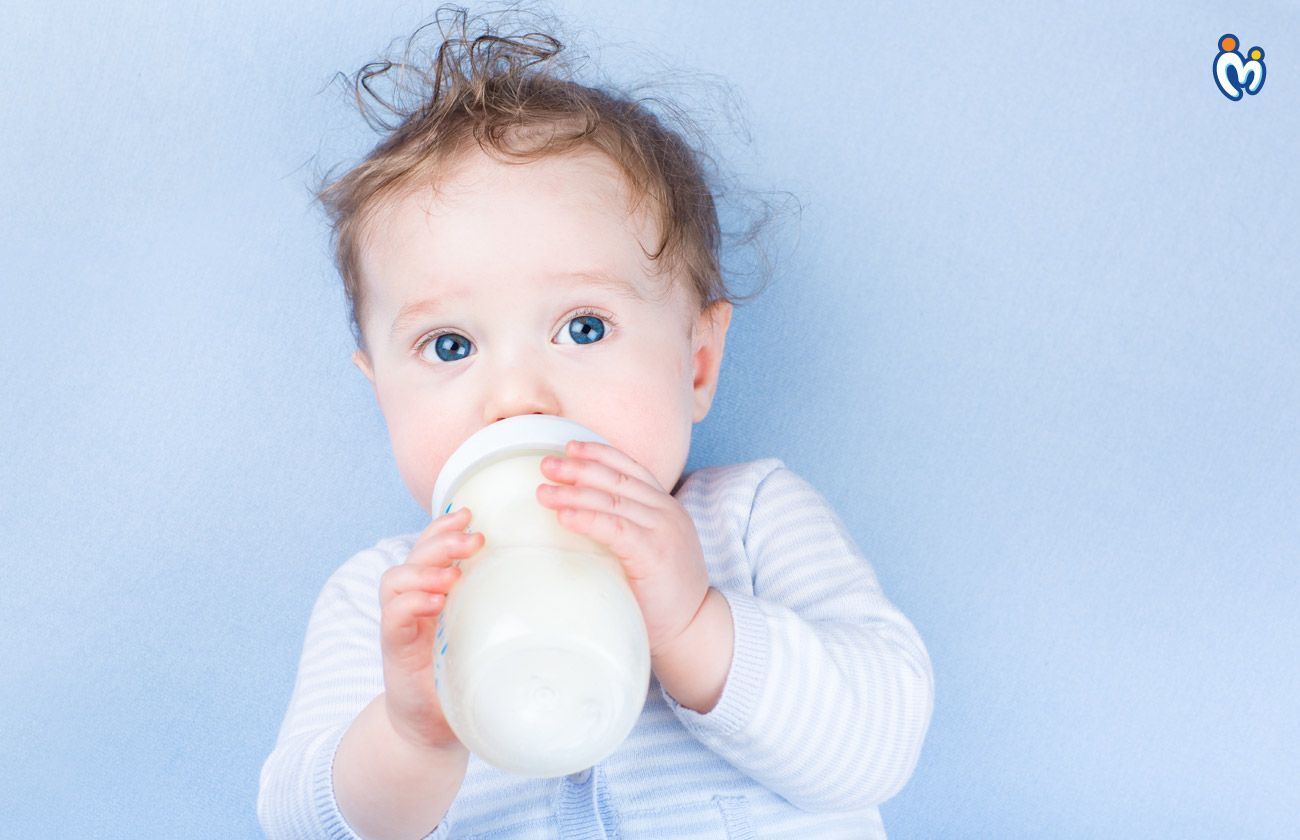
Whether you decide to formula feed or breast feed or use a mix of both, a liquid diet is all our baby needs for the first few months. Breast-feeding makes feeding simple, no other fluids are needed for a breast-fed baby; breast milk is the most natural food for human babies because it protects the baby against infections and diseases.
Breast-feeding is convenient; you don't have to prepare bottles. Always keep an eye and check on the baby to know how much and how often to feed; stirring and stretching, sucking motions and lip movements are signs of hunger.
Whenever the baby stops sucking, closes their mouth, or turns away from the nipple or bottle, he or she might be full or simply taking a break. Try burping the baby or wait for some time before feeding them again.
For formula feeders, always make sure to check the manufactured date and expiry date before buying; make sure to mix the formula according to the instructions on the label. Always wash your hands before you handle the formula, offer only the amount of formula you think your baby will finish at one setting.
Keeping that in mind, the baby’s position should be comfortable. Whatever method of feeding you end up using, whether it is breastfeeding or formula feeding, your baby will be receiving the nutrition that they need for healthy growth.
4 months – 1 year
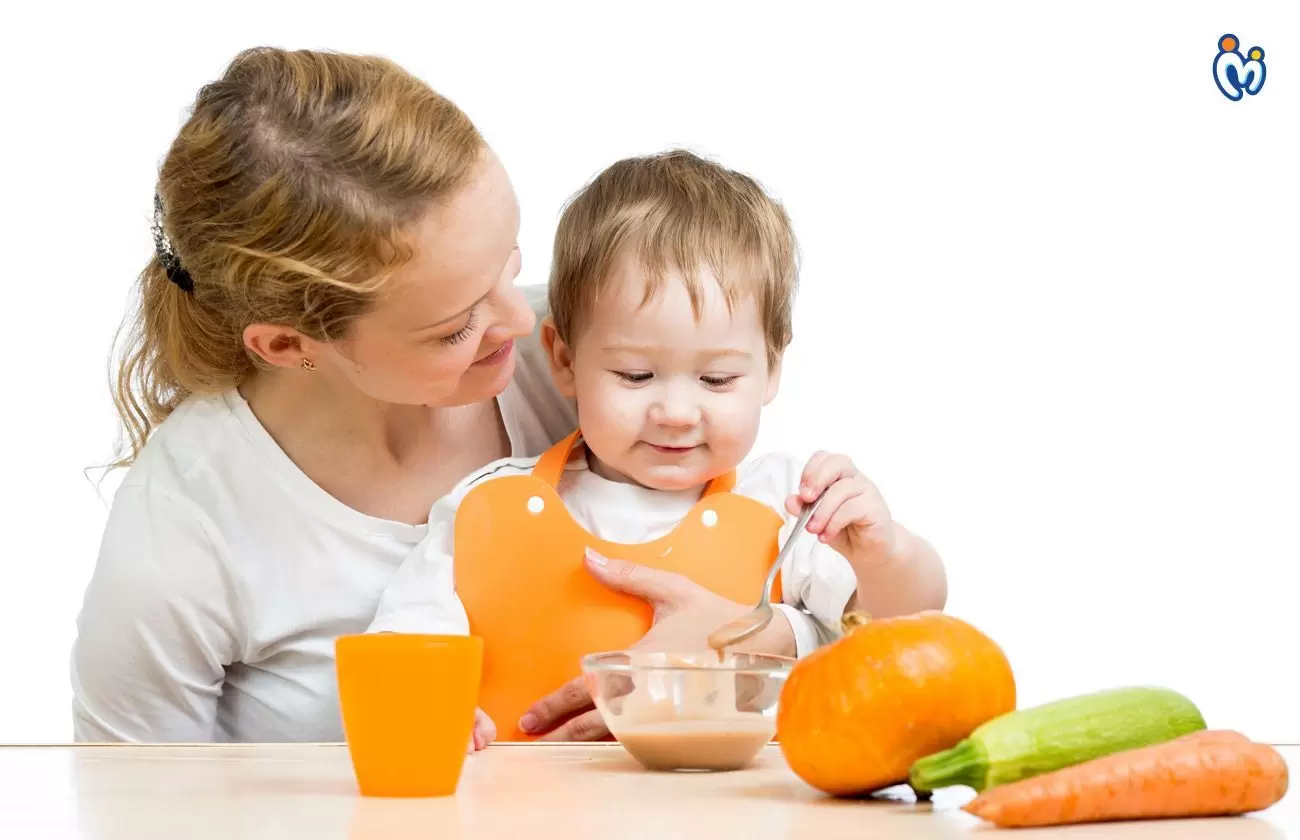
What the babies eat strongly affects their long-term body weight, health, metabolic programming, immune system, introducing new foods to babies is both exciting and confusing for new parents. Typically, babies, 4 to 6 months old are introduced to solids slowly and for some babies start at 6 months.
Bear in mind; always offer food that's small, soft, and smooth to avoid choking since the baby has just started learning the mechanics of chewing and eating. Always include soft pureed foods including iron fortified rice cereal, squash, sweet potatoes, applesauce, pears, peaches and bananas.
Feed your baby in the same place for every meal, every day, so that the baby is in a secured seat; let the baby eat at their own pace to avoid choking hazard. If baby refuses to eat, try solid feedings again in a few days; introduce one new food at a time and feed that one food for a few days to watch for food intolerances.
Always trust your instincts
We might worry if our new-born is eating enough, but babies usually know just how much they need. Don't focus on how much, how often or how regularly your new-born eats. Instead, look for contentment between feedings and steady weight gain.
In the end, how you feed your baby will be a personal choice for you, which will depend on many factors individual to you, your baby and your family. Nevertheless, deciding whether to do this is a personal decision and you need to consider both the pros and cons of both types of feeding and what’s best for your child.
FAQ's
Popular Blogs






Other Related Blogs


Tummy Time 101: Why It Is Essential for Every Baby
Tummy time is probably the cutest milestone among all parenting milestones. It's when you place the baby on hi...


How to Recognize Premature Birth Challenges and Support Your Baby from Day One
A supportive guide for parents of preterm babies, explaining common premature birth challenges and practical c...

Parenting Hacks for New Moms: Simple Tips to Make Baby Care Easier
A practical guide packed with simple, real-life parenting hacks for new moms. From easier diaper changes and r...
Hey mamies, stay connected!
Sign up and get an opportunity to receive complimentary samples with our informative email newsletter.