
Infant Weight Chart: Is Your Baby Growing at a Healthy Rate?
-1791783467536.png&w=1920&q=75)
Summary
An infant weight chart helps parents and healthcare professionals track a baby's growth over time rather than judging a baby's health based on a single weight measurement. The World Health Organization (WHO) provides weight-for-age standards for boys and girls from birth to 5 years. Regular measurements, including length and head circumference, provide a clearer picture of growth. If your baby's growth pattern changes noticeably, speak with your pediatrician.
What Is an Infant Weight Chart?
A weight chart for infants is a reference for the growth of an infant compared to the measurements of other children of the same age and sex. The WHO standards for child growth have weight-for-age charts for boys and girls ranging from birth to 5 years.
The chart shows the percentile or z-score position of the child's measurement compared to the reference. What is more important than the position of the child on the chart is the growth trend.
Definition
An infant weight chart refers to a standardised growth reference used to monitor weight according to age and sex, as provided by the World Health Organization (WHO).
How Do You Read an Infant Weight Chart?
When reading the chart of infants' weights, one needs to identify the baby's age and match their weight on the particular curve. WHO issues different charts for boys and girls: weight-for-age references for children aged from birth to 2 years.
If, for instance, the baby weighs a certain amount at 12 months old, their doctor will be able to compare this weight with the reference range as well as identify the changes over time.
What should parents track?
- Age and weight
- Length or height
- Head circumference
- Feeding pattern
- Overall development
- Changes across multiple check-ups
What Is a Healthy Infant Weight?
There is no particular number for a healthy baby weight across the board; this is dependent on things like age, gender, birth weight, nutrition, and personal growth, among other factors.
According to the WHO, the growth standards it has established are supposed to describe healthy growth in a child from birth to age 5.
The Indian Academy of Pediatrics (IAP) also has growth charts available for tracking the height and weight of children.
How Often Should Baby Growth Be Checked?
Growth monitoring plays an important role in detecting changes in the early stages. Usually, pediatricians use more than one measurement, not just a single measurement.
Simple Growth Checklist
- Keep your baby's growth records updated.
- Use the same measurement method where possible.
- Track weight alongside length and head circumference.
- Attend recommended pediatric visits.
- Discuss sudden changes with your doctor.
If you notice that your infant’s weight seems to be staying the same, decreasing, or rapidly changing, it would be best not to try to understand the graph by yourself. Instead, consult a pediatrician.
How Can Everyday Baby Care Support Happy Growth?
Proper nutrition, sleep, physical activities, and regular baby skin care will ensure healthy development. At about 1-2 years old, babies tend to become more active; therefore, it is also appropriate for parents to concentrate on skin care related to diapers.
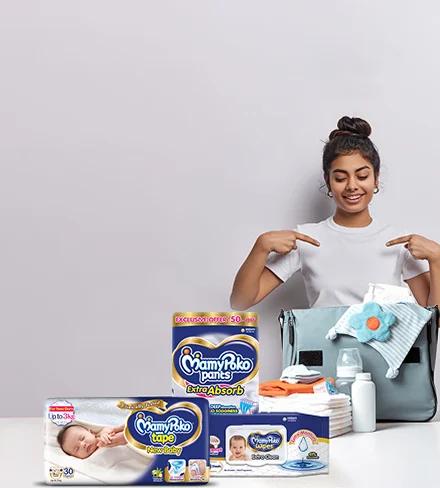
The sources of skin irritation include friction and stuffiness; thus, diaper changing and brief breaks from diaper use will prove helpful. During the sponge-bath regimen, MamyPoko Extra Clean Wipes can be used as a regular baby skin care product.
Parents can also choose MamyPoko Pants Skin Breathe Care for a diaper option designed for airflow and skin comfort.
FAQ's



Popular Blogs
Other Related Blogs
Little Tummies, Big Appetites: How to Introduce New Flavours to Your Growing Infant
When Nisha’s little boy, Aarav, turned six months old, she was excited and nervous in equal measure. The breas...

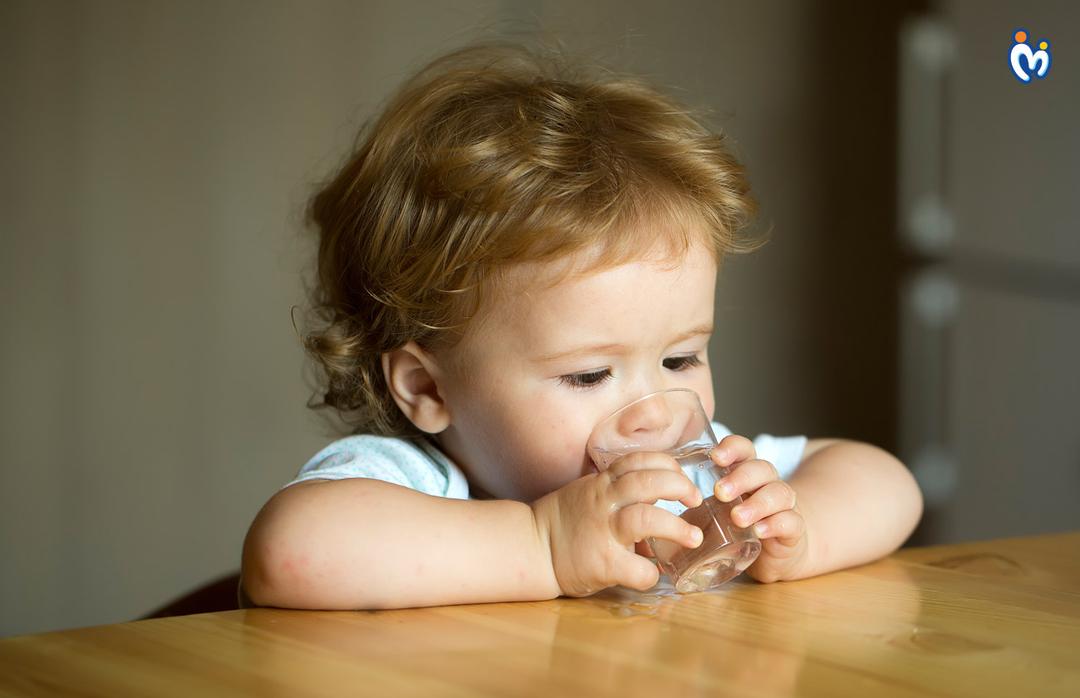
How To Switch from bottle feed to Glasses
Congratulations! If you’ve just confirmed your pregnancy, you’re probably thinking about how to tell friends a...

The Ultimate Checklist for your Baby's First Day Outdoors
Congratulations! If you’ve just confirmed your pregnancy, you’re probably thinking about how to tell friends a...
Hey mamies, stay connected!
Sign up and get an opportunity to receive complimentary samples with our informative email newsletter.