Infant: Infants and Allergies: Causes and Prevention

Summary
Explore the world of infant allergies, from their causes to preventive measures. Gain insights into understanding and managing potential triggers, ensuring a safe and healthy environment for your little one's well-being.
Like kids and adults,infants can also develop allergies from the food they eat, the things they do, and the unseen particles they inhale inside the home or outdoors. Infants are more sensitive to the external environment and can catch any infection very quickly. Therefore, it’s important to keep infants secure and safe, preventing any kind of allergy.
Allergies can be experienced in two ways: as physical symptoms and as internal symptoms. Allergies that can be noticed physically are easy to diagnose, but internal allergies may require some tests. Understanding the cause of an allergy is very important for a parent to take action against it.
Let’s dive deep and learn more about allergies that are common among infants and how to prevent them.
Seasonal Allergies
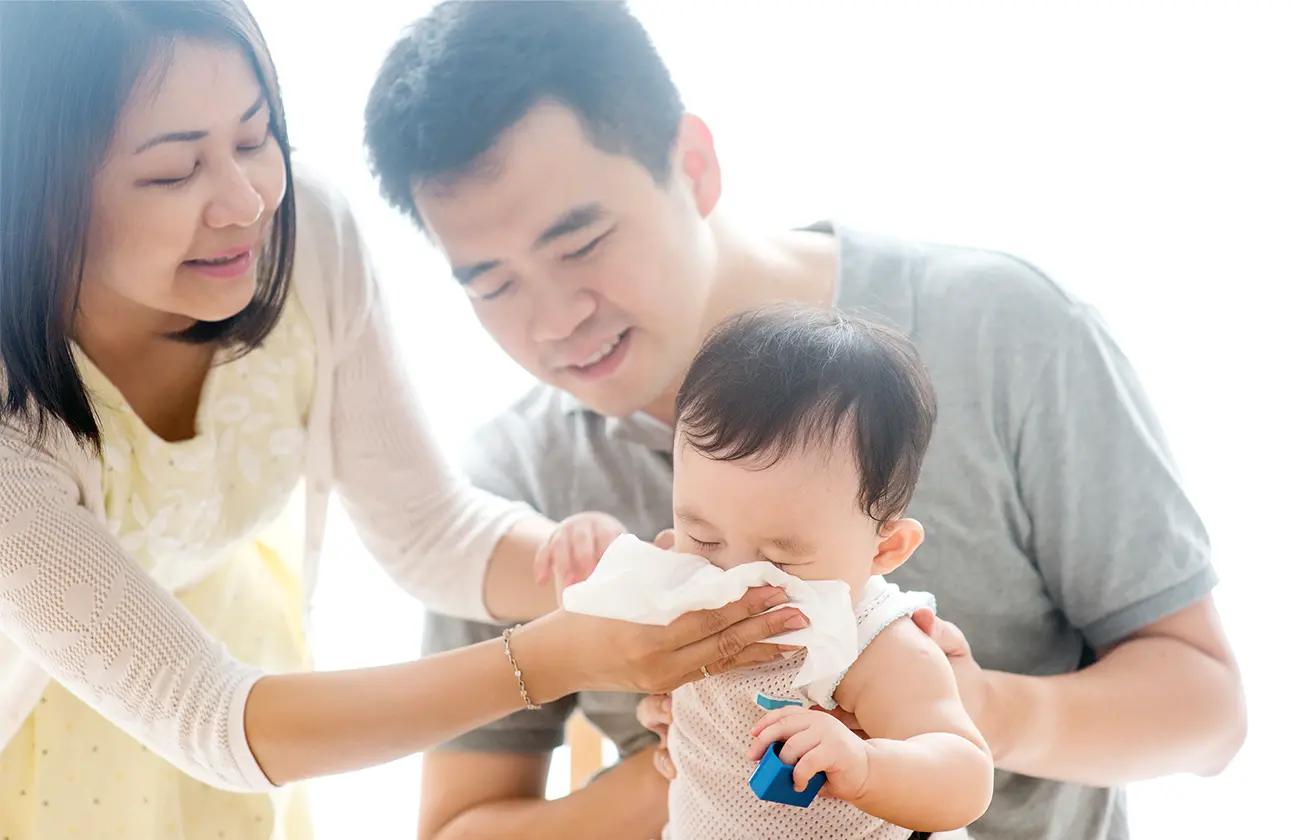
Seasonal allergies get triggered by changes in weather and may affect infants very easily. Especially when it’s their first time experiencing a new season. If the symptoms get worse during certain seasons, it may be hay fever, also known as allergic rhinitis. This is a common allergy in infants and includes symptoms like:
Commons symptoms
- Runny, itchy nose
- Watery eyes
- Sneezing
- Stuffy nose
- Ear pain
Preventive Measures
Do not delay the consultation with your paediatrician in case of seasonal allergies. Remove rugs and soft toys from your infant’s room as the season changes. Avoid keeping unnecessary cushions in the infant’s room because they can be a home for dust and mites. Keep the infant safe and secure in warm clothes when the colder days begin. Introduce seasonal fruits and vegetables to your infant as they start taking solid food to build up immunity. Take recommendations from the paediatrician for the necessary vitamins and minerals that your infant may require. Use nasal drops and regular steam to deal with seasonal coughs and colds.
Indoor Allergies
Your little one’s favourite toy can trigger an allergy in their body. The dust and dust mites make your infant experience an allergy, and constantly playing with those triggering toys can worsen it. Such allergy-causing dust mites are also present on things like pillows. Infants can also be allergic to some fragrances, including smoke and perfumes.
The common symptoms of indoor allergies include:
- Runny nose
- Sneezing
- Itching
- Wheezing
- Watery eyes
- Hives
- Sore throat
Preventive Measures
You can help your little one feel better by doing some things that are easy for you. Start by sweeping and vacuuming regularly; this will not let the dust collect in small spaces where the baby can crawl or touch. Use allergen-proof zip-up covers for mattresses, pillows, and toys.
Wash linens and stuffed toys in water every 2 to 3 weeks and dry them properly to use again.
Don't use humidifiers and vaporisers because they add moisture to the air and increase the risk of dust mites.
Diaper Rash
Some infants experience rashes and allergies due to not using the right diaper. Diaper rash can be red and have bumps or peeling of the skin. If not treated, a severe form of diaper rash can cause bacterial infection, leading to pus-filled blisters or sores. One of the most common reasons babies experience diaper rash is because of prolonged exposure to urine or stool, teething, and ill-fitting diapers. Choosing diapers that are free from harsh chemicals, fragrances, and irritants can help minimise the risk of diaper-related allergies and ensure your infant's comfort and well-being.
The common symptoms of diaper rash include:
- Redness
- Rashes
- Itching
- Discomfort
- Red bumps
- Baby becomes irritable or fussy
- Yeast or bacterial infection
Preventive Measures
Change your baby’s diaper regularly whenever it is wet or dirty because the moisture from a messy diaper can quickly lead to diaper rash. Apply a thick layer of diaper rash cream or ointment to protect the delicate skin of the baby and form a barrier against moisture. Look for fragrance-free baby products to protect your baby’s skin from irritation. Choose diapers that provide the right fit for your baby. A diaper that’s too tight, especially at night, blocks airflow and can also lead to diaper rash. MamyPoko diapers come in different sizes for different ages. Keep your baby diaper-free for some time when changing diapers; exposing skin to the air helps eliminate excess moisture.
Food Allergies
If you are breastfeeding, what you eat can also affect your baby. Some babies can experience allergic reactions to the food their mothers eat. Eliminating such food items from your diet can provide great relief to the infant. Symptoms of food allergies can appear spontaneously or a few hours later.
Allergy is a response by immune symptoms to a substance it doesn’t like; it can be any food item.
Here are a few common foods that cause allergic reactions:
- Cow’s Milk
- Eggs
- Tree Nuts
- Peanuts
- Soy
- Wheat
Common symptoms
- Belly pain
- Coughing
- A red rash around the mouth
- Diarrhoea
- Nausea or vomiting
- Hives or rash
- Runny or stuffy nose
- Swelling of the arms, face, or legs
- Tight throat
- Trouble breathing
- Wheezing
Preventive Measures
If your baby is prone to food allergies, get the food allergy test done at the recommendation of your paediatrician. Omit the food that is the reason for your baby's sickness. These allergies may go away in the future but don’t take risks with the baby’s health. Whenever you eat something new, monitor any new symptoms your infant may experience to understand what to avoid. Get your infant’s routine check-up done to stay updated.
Do not force food items on your baby and introduce them to the new food gradually. Maintain the necessary time gap between two foods, and do not mix alkaline and acidic foods. Certain food items can only be given to kids after a certain age; do not give everything to your infant. Remember, they have just started exploring food items other than your breastmilk.
How are allergies diagnosed?
The only way to be sure if the baby has an allergy and not a different respiratory problem or other condition is through a combination of tests performed by the doctor. In some cases, the paediatrician may refer you to an allergist, who will conduct one or more of the following:
- Skin Test
- Blood Test
- Elimination Diet Test
Babies take some time to adjust to the new environment. However, it’s very important to make some adjustments to their daily routine and take preventive measures. Stay alert for any symptoms because one allergy can also cause other allergies. Stay connected with your paediatrician or an allergist.
FAQ's
Popular Blogs



Other Related Blogs

Little Tummies, Big Appetites: How to Introduce New Flavours to Your Growing Infant
When Nisha’s little boy, Aarav, turned six months old, she was excited and nervous in equal measure. The breas...


Healthy & Nutritious Salad Recipes for Breastfeeding Moms
Congratulations! If you’ve just confirmed your pregnancy, you’re probably thinking about how to tell friends a...
How To Switch from bottle feed to Glasses
Congratulations! If you’ve just confirmed your pregnancy, you’re probably thinking about how to tell friends a...
Hey mamies, stay connected!
Sign up and get an opportunity to receive complimentary samples with our informative email newsletter.