
How to Handle Baby Tantrums While Feeding Solid Food

Summary
Congratulations! If you’ve just confirmed your pregnancy, you’re probably thinking about how to tell friends and family the exciting news. Whether you’re a first-time mom or you’re adding a new sibling to your little ones’ lives, sharing this news can be a fun way to spread the joy. Here are some ideas for making your pregnancy announcement special and memorable.
Introducing solid foods to babies is a pivotal developmental step, yet it comes with its fair share of challenges. The importance of this transition lies in enriching their diet with essential nutrients, fostering motor skills, shaping taste preferences, and promoting independence. However, common hurdles include dealing with baby tantrums, texture aversions, food allergies, and growth-related feeding regressions. This blog’s primary focus is on addressing the widespread issue of managing baby tantrums during solid food introduction, exploring the underlying causes and offering practical strategies to make this crucial phase a positive and stress-free experience for both parents and their little ones.
Understanding Baby Tantrums
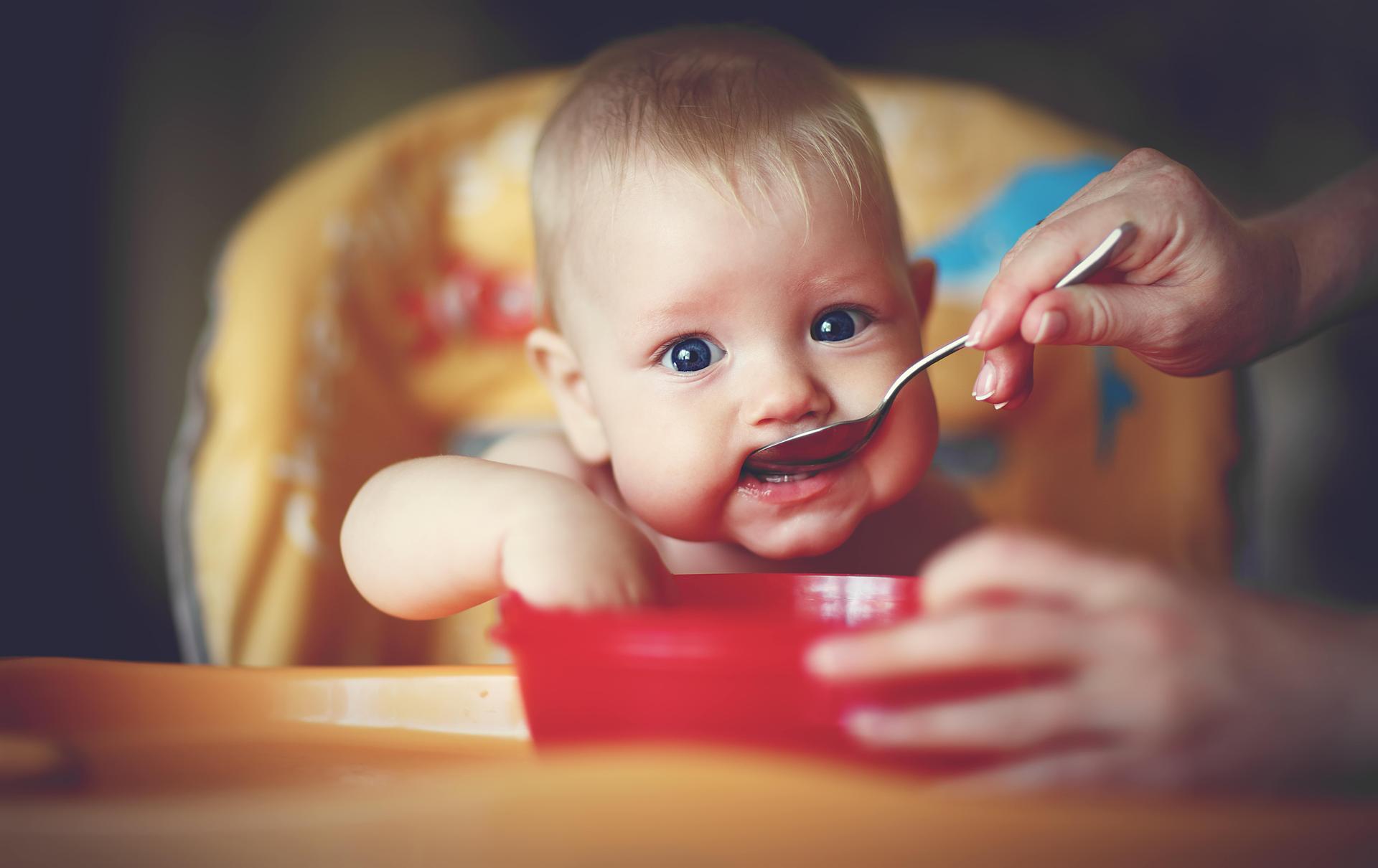
Baby tantrums are emotionally charged outbursts or displays of frustration and distress commonly observed in infants and young children. These tantrums can manifest as crying, screaming, fussiness, arching of the back, or even throwing objects. While they may seem like challenging behaviour, they are often a way for babies to communicate their needs or discomfort.
Understanding the triggers for baby tantrums during feeding is essential for effective management. Several factors can contribute to these outbursts:
- Hunger or Fatigue
- Overstimulation
- Frustration from Limited Communication
- Seeking Attention
- Discomfort or Pain
Understanding the potential consequences of baby tantrums during feeding is crucial for parents. These challenges can affect not only your baby’s nutritional intake and overall well-being but also your own stress levels and the overall mealtime experience. In the upcoming sections, we’ll explore strategies to effectively handle baby tantrums, ensuring that feeding time becomes a more enjoyable and positive experience for both you and your little one.
Preparation for Feeding
Feeding time is more than just nourishment; it’s a chance to build positive associations with food and strengthen the bond between you and your baby. Setting the stage for a positive feeding environment is vital to making mealtimes enjoyable for both of you.
Meal Planning and Food Selection
The foods you offer during mealtimes and how you introduce them can significantly impact your baby’s eating habits and preferences.
- By creating a positive feeding environment and making thoughtful choices in meal planning and food selection, you set the stage for successful, enjoyable mealtimes that nurture your baby’s healthy eating habits. In the following sections, we will explore strategies to handle baby tantrums during these well-prepared mealtimes.
Strategies to Handle Baby Tantrums While Feeding
Baby tantrums during feeding can be challenging, but with the right strategies, you can turn mealtime into a positive experience for both you and your baby. Here are some effective approaches to handle baby tantrums while feeding:
- Experimenting with Different Feeding Methods
- Creating a Routine
- Offering Choices and Involving Your Baby
- Avoiding Distractions
By implementing these strategies, you can effectively handle baby tantrums during feeding and create a positive mealtime experience that supports your baby’s healthy eating habits and overall development. In the following sections, we’ll explore more specific challenges and how to address them.
Navigating the world of baby feeding comes with its unique challenges, but it’s also an opportunity to foster a lifelong love for nutritious choices. When facing specific hurdles like food allergies or texture aversions, it’s crucial to identify potential allergens early, seek medical advice, understand developmental phases, and persistently introduce various textures. Recognizing when professional intervention is necessary, whether through a paediatrician or feeding specialist, ensures comprehensive care. Beyond these challenges, promoting healthy eating habits is paramount. Encouraging a positive attitude towards food, offering diverse nutritious options, modelling healthy behaviours, and transitioning to family meals can instil a lifelong appreciation for good nutrition. Remember, each child is unique, and patience, empathy, and adaptability are your allies on this journey towards nurturing healthy eating habits and overall well-being.
FAQ's
Popular Blogs





Other Related Blogs

Little Tummies, Big Appetites: How to Introduce New Flavours to Your Growing Infant
When Nisha’s little boy, Aarav, turned six months old, she was excited and nervous in equal measure. The breas...

Healthy & Nutritious Salad Recipes for Breastfeeding Moms
Congratulations! If you’ve just confirmed your pregnancy, you’re probably thinking about how to tell friends a...
How To Switch from bottle feed to Glasses
Congratulations! If you’ve just confirmed your pregnancy, you’re probably thinking about how to tell friends a...
Hey mamies, stay connected!
Sign up and get an opportunity to receive complimentary samples with our informative email newsletter.