
Ace your Baby's Oral Hygiene: Dental Care Tips


Summary
Your baby's smile is a treasure, and keeping it healthy is a must! Those tiny teeth, though temporary, are a key to your child's lifelong dental health. By starting good dental care early
Your baby's smile is a treasure, and keeping it healthy is a must! Those tiny teeth, though temporary, are a key to your child's lifelong dental health. By starting good dental care early, you're setting the stage for a future of sparkling smiles. Get ready to dive into the exciting journey of your baby’s oral hygiene and turn brushing into a fun and fabulous adventure!
Why Infant Dental Care is Important
Foundation for Healthy Permanent Teeth
Baby teeth, also known as primary teeth, act as placeholders for permanent teeth. If baby teeth are kept healthy, it reduces the risk of future dental problems such as misalignment or decay.
Preventing Tooth Decay
Tooth decay can begin as soon as your baby’s first tooth appears. The tooth decay can further lead to pain, infections, and issues with eating, speaking, and learning.
Building Good Habits
Encouraging good dental habits from the get-go sets the stage for a lifetime of healthy smiles. Teach your little one the importance of looking after their teeth and gums early on—it'll make it a breeze for them to keep up the habit as they grow.

Steps to Ensure Optimal Oral Hygiene for Your Baby
Start Before the First Tooth Appears
Even before your baby’s teeth come in, it’s important to keep their mouth clean. Use a soft, damp cloth or a piece of gauze to gently wipe their gums after each feeding, which will help you to get rid of bacteria and sugar that can cause decay.
First Tooth, First Dentist Visit
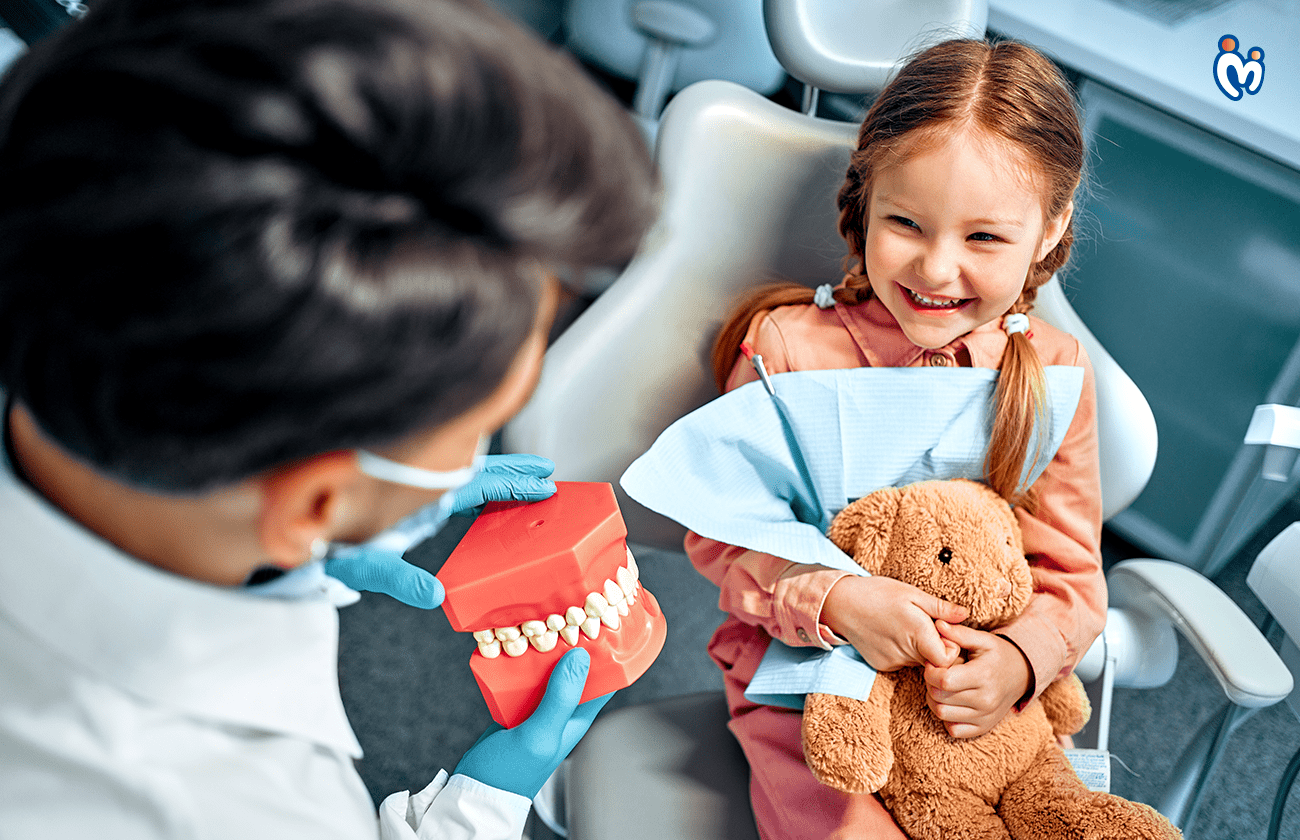
Schedule your baby’s first dental appointment as soon as their first tooth appears, or by their first birthday. This way, the dentist can offer advice on how to take care of your little one’s teeth, and even spot any problems that might possibly occur.
Brushing Baby’s Teeth
Once your baby’s teeth start to come in, brush them twice a day with a small, soft-bristled toothbrush. Use a tiny smear of fluoride toothpaste (about the size of a grain of rice) for children under three years old. For children aged three and up, use a pea-sized amount of fluoride toothpaste.
Fluoride Usage
Fluoride prevents tooth decay by making teeth more resistant to acid attacks from plaque bacteria and sugars. Make sure to check if your local water supply contains fluoride. If it doesn’t, ask your pediatrician or dentist if your baby needs a fluoride supplement.
Avoiding Baby Bottle Tooth Decay
Never put your baby to bed with a bottle containing anything other than water. Sugary liquids like milk or juice can pool around the teeth and lead to tooth decay, often referred to as "baby bottle tooth decay".
Healthy Eating Habits
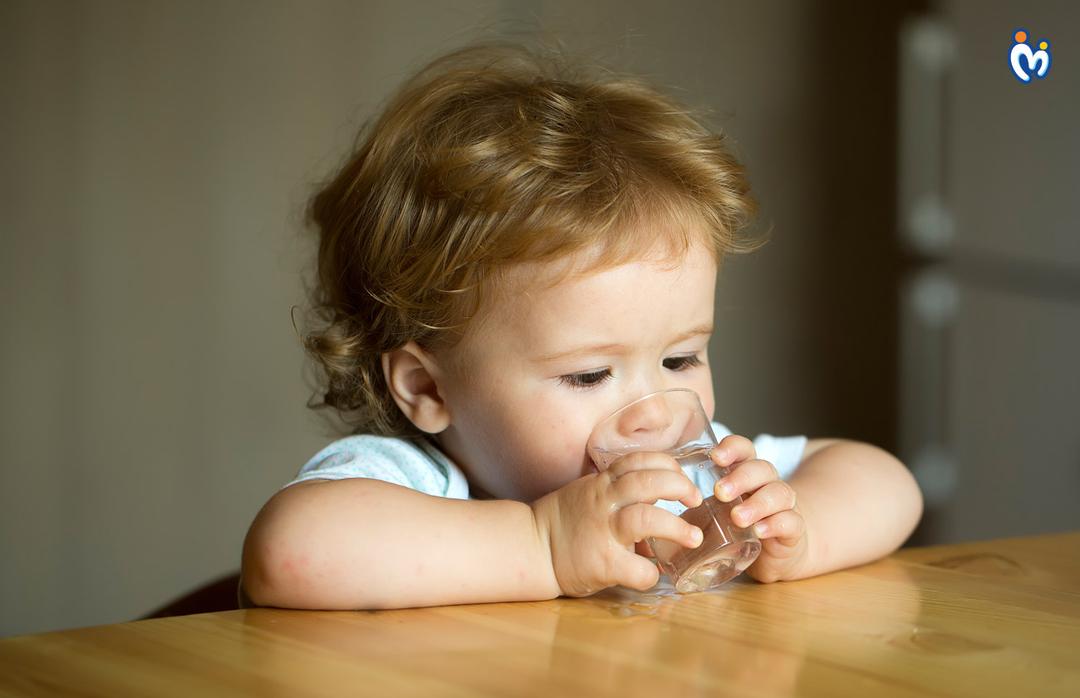
Introduce a balanced diet with a variety of nutrients. Limit sugary snacks and drinks, as they can contribute to tooth decay. Encourage your child to drink water, especially between meals.
Teething and Comfort
Teething can be uncomfortable for babies. To soothe their gums, you can gently rub them with a clean finger, use a teething ring, or provide a cool, damp cloth for them to chew on.
What to Avoid
- Prolonged Bottle Feeding: Transition from a bottle to a cup by the time your child is one year old to prevent tooth decay.
- Sugary Foods and Drinks: Limit the intake of sugary snacks and beverages to prevent cavities.
- Ignoring Signs of Decay: If you notice white spots or any discoloration on your baby’s teeth, consult a dentist immediately.
Creating a Positive Dental Routine
Make Brushing Fun
Turn brushing into a fun activity by using colorful toothbrushes and toothpaste with flavors your child likes. Sing a song or play a short video to make the two-minute brushing session enjoyable.
Lead by Example
Children learn by observing their parents. Make sure you brush and floss your teeth regularly to set a good example for your child.
Regular Dental Check-ups
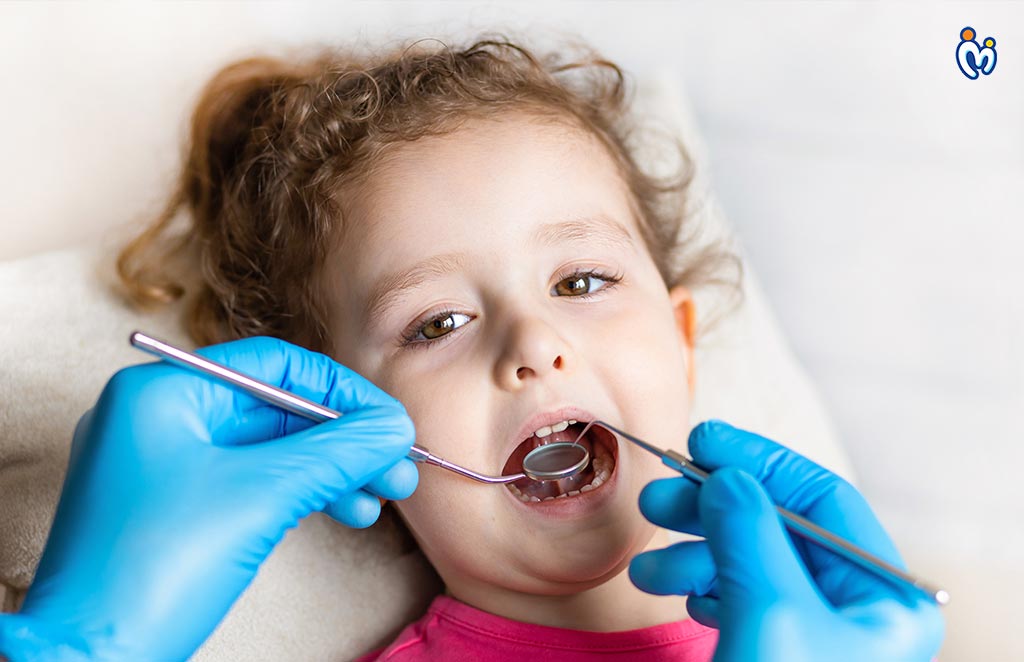
Ensure you get regular dental check-ups as recommended by your dentist. This will further help you monitor the oral health of your child that will further allow for early intervention if any issues arise.
Conclusion
Ensuring your baby's mouth stays healthy right from the beginning sets them up for a lifetime of happy smiles. By sticking to an oral care routine early on and making dental care fun, you're setting your child up for good habits that'll keep their smile healthy down the road. After all, the journey to a healthy smile begins with the very first tooth!
FAQ's
Popular Blogs





Other Related Blogs
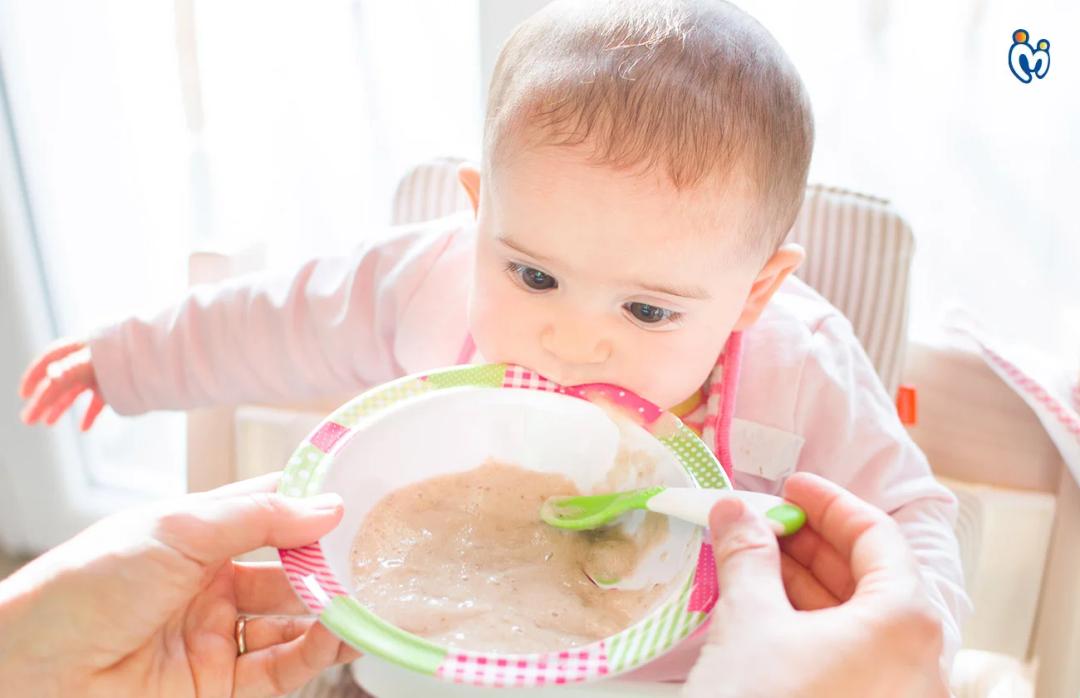

Little Tummies, Big Appetites: How to Introduce New Flavours to Your Growing Infant
When Nisha’s little boy, Aarav, turned six months old, she was excited and nervous in equal measure. The breas...


Healthy & Nutritious Salad Recipes for Breastfeeding Moms
Congratulations! If you’ve just confirmed your pregnancy, you’re probably thinking about how to tell friends a...
How To Switch from bottle feed to Glasses
Congratulations! If you’ve just confirmed your pregnancy, you’re probably thinking about how to tell friends a...
Hey mamies, stay connected!
Sign up and get an opportunity to receive complimentary samples with our informative email newsletter.