
6-Month-Old Baby Feeding Plan: Foods, Timings & Nutrition Tips
-1790323582513.png&w=1920&q=75)

Summary
An ideal feeding plan for 6 month old babies can comprise five solid feeds spread throughout the day, along with continued breastfeeding. This feeding approach should focus on giving a variety of age-appropriate foods such as soft dals, khichdi, upma, halwa, idli, fruits and snacks while giving the choice of how much to eat to the child itself.
Reaching six months is an exciting milestone for both babies and parents. Your little one may start showing interest in what everyone else is eating, reaching for food, opening their mouth when offered a spoon, or sitting with support. These are signs that they may be ready to begin complementary feeding alongside breastfeeding.
According to the World Health Organisation (WHO), babies should be exclusively breastfed for the first six months. After six months, nutritious complementary foods should be introduced while continuing breastfeeding up to two years or beyond. If you're searching for a practical feeding plan for 6 month old babies, this guide covers meal timings, suitable foods, feeding quantities, and foods to avoid.
Note: The schedule and food recommendations below showcase the feeding approach described by the paediatrician/source material for this blog. Every baby develops differently, so parents should go by the advice of their own paediatricians, mostly for premature babies, babies with allergies, feeding difficulties, or other medical concerns.
What are the Signs that Your Baby is Ready for Solid Foods?
Rather than focusing only on age, parents should look for developmental signs. Your baby may be ready if they:
- Are around six months old
- Can sit upright with minimal support
- Have good head and neck control
- Open their mouth when food approaches
- Show interest in family meals
- Can swallow food instead of pushing it out with their tongue
If your baby was born prematurely or has developmental concerns, speak with your paediatrician before starting solids.
What is a Good Feeding Plan for 6 Month Old Babies?
This feeding approach recommends five solid feeds during the day: breakfast, fruit, lunch, snacks, and dinner. Breast milk is offered at night.
This is a simple feeding schedule for your 6-month-old baby.
Time | Feeding |
8.00 AM | Breakfast |
11:00 AM | Fruit |
2:00 PM | Lunch |
5:00 PM | Snacks |
8:00 PM | Dinner |
11:00 PM | Breast milk |
2:00 AM | Breast milk |
5:00 AM | Breast milk |
The exact timings can vary as per your baby’s routine. The aim is to keep a regular pattern of meals, allowing giving the child to respond to their own hunger and fullness cues.
In this feeding routine, daytime milk is not the focus because milk can fill the baby’s stomach without providing the same opportunity to consume calories from solid foods. Breast milk continues as the night-time milk feed.
Which Foods Should Be Included in a Feeding Plan for 6 Month Old Babies?
Offer a variety of nutrient-rich foods while introducing only one new food at a time.
Food Group | Why it's Important | Recommended Foods |
Dals | Provides protein and other nutrients needed for growth and development. | Moong dal, masoor dal and other dals without the outer skin or husk |
Soft Indian Foods | Provides energy and introduces the baby to different tastes, textures and familiar family foods. | Khichdi, upma, halwa, idli |
Fruits | Adds variety to the diet and provides important vitamins, minerals and other nutrients. | Banana, apple, avocado, pear, papaya and other suitable fruits |
Other Foods | Helps the baby gradually become familiar with a wider variety of foods and family meals. | Age-appropriate family foods, prepared in a suitable texture and consistency |
Variety of Foods | Encourages exposure to different flavours and textures instead of allowing the baby's preferences to narrow their diet. | Different suitable foods offered regularly, including foods the baby may initially reject |
What is a Sample 7-Day Meal Plan for a 6 Month Old?
If you're wondering where to begin, here's a simple 7-day meal plan to introduce a variety of flavours and textures. Remember, breast milk should remain your baby's primary source of nutrition, with daytime feeds like fruits, snacks, and dinner based on the baby’s routine and tolerance.
Day | Breakfast | Lunch |
Day 1 | Khichdi | Moong dal |
Day 2 | Upma | Masoor dal |
Day 3 | Idli | Khichdi |
Day 4 | Halwa | Moong dal |
Day 5 | Upma | Soft vegetable preparation |
Day 6 | Idli | Masoor dal |
Day 7 | Khichdi | Soft family-style preparation |
What are Some Common Feeding Mistakes Parents Should Avoid?
Many parents worry about whether their baby is eating enough. Avoid these common mistakes:
- Giving only the foods the baby already prefers
- Allowing the baby to dictate the complete menu
- Forcing the baby to finish a meal
- Emphasizing a fixed quantity of food
- Repeatedly offering only one or two accepted foods
- Not continuing to offer foods that the baby initially rejects
- Offering foods that aren’t recommended for the child’s age
A slow, consistent approach helps babies develop healthy eating habits.
What Foods Should Be Avoided Before the First Birthday?
As per the feeding approach described here, the foods below must be avoided before the child's first birthday:
Nuts | Dals with their outer skin or husk |
Chole | Rajma |
Pomegranate | Bhindi |
Foods comprising seeds or difficult-to-manage skins | Cow’s & Buffalo’s milk |
Honey | Loose/unpackaged milk |
As babies grow, their meals can become similar to the food consumed by the rest of the family, with appropriate modifications for texture, choking safety, and ingredients.
And from around nine months, foods like paneer, cheese, yoghurt, and eggs can be introduced as per the tolerance of the child and the paediatrician’s advice. The child can also be given similar food as the rest of the family, such as puri, sbji, pasta, and besan chilla, oats, ragi, chilla, with apt preparation for the child.
For non-vegetarian foods, the approach recommends starting around one year for Indian children, although nine months can be considered. Parents must go as per the paediatrician’s individual recommendation.
Conclusion
Starting solids is an exciting milestone, but it doesn't have to be complicated. A balanced feeding plan for 6 month old babies focuses on gradual introduction, variety, age-appropriate textures, and continued breastfeeding.
As your baby becomes more active and curious, everyday comfort is just as important as good nutrition. Choosing reliable and best breathable diapers that provide long-lasting absorbency and a comfortable fit can help keep your little one dry through mealtimes, naps, playtime, and new adventures. MamyPoko Pants is designed to support growing babies with dependable comfort, so they can move freely while exploring every new milestone with confidence.
FAQ's
Popular Blogs





Other Related Blogs
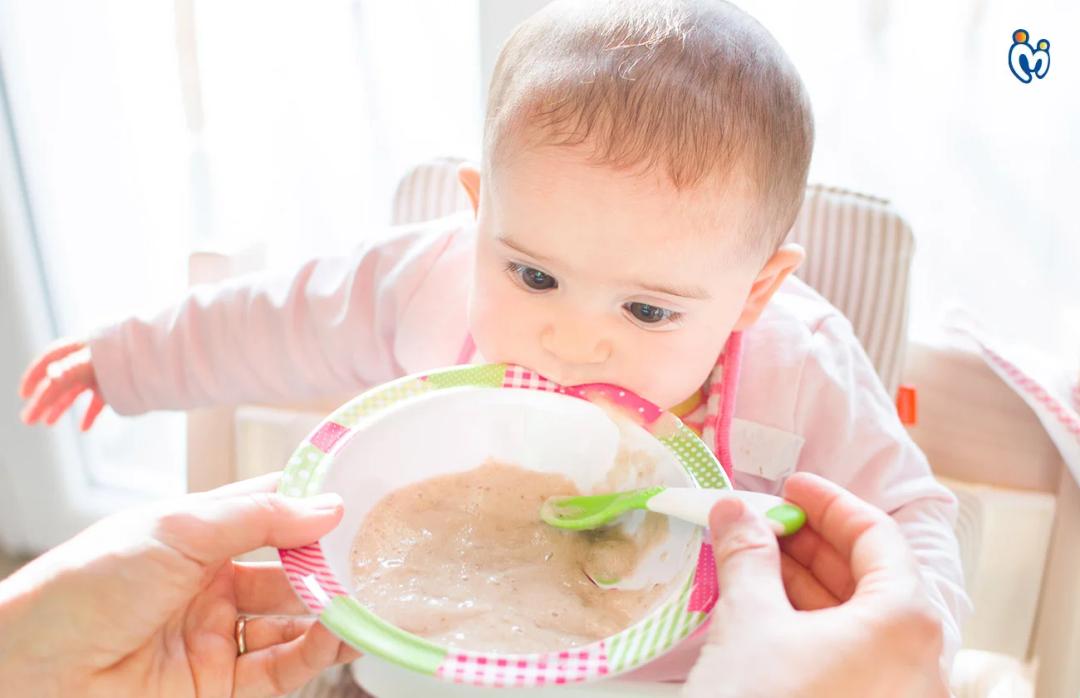

Little Tummies, Big Appetites: How to Introduce New Flavours to Your Growing Infant
When Nisha’s little boy, Aarav, turned six months old, she was excited and nervous in equal measure. The breas...

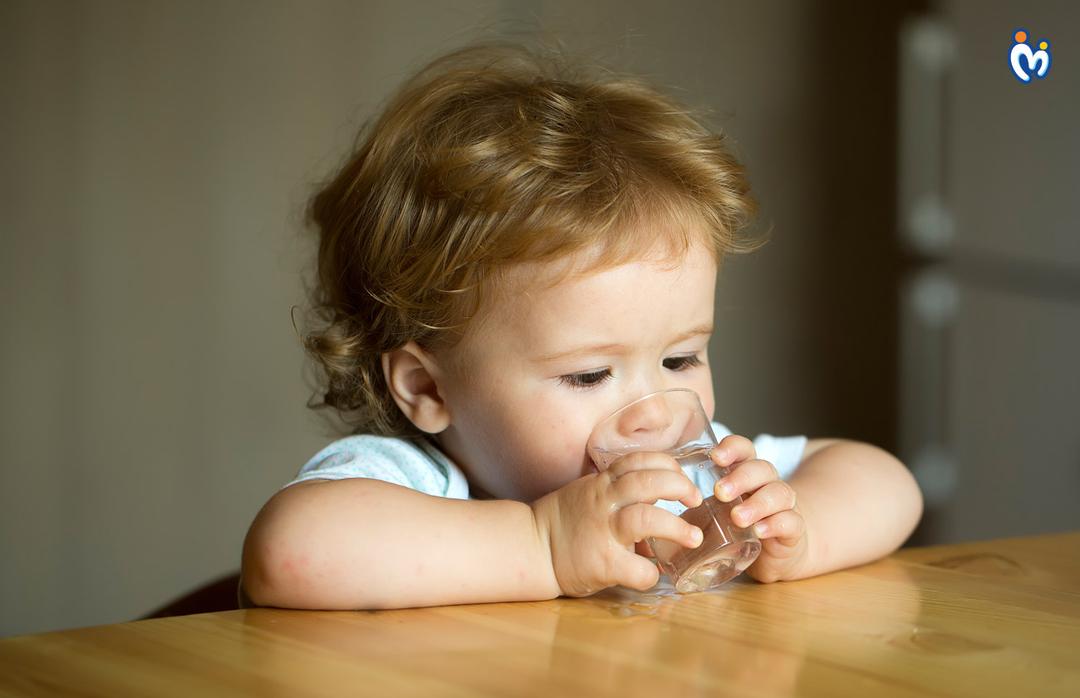
How To Switch from bottle feed to Glasses
Congratulations! If you’ve just confirmed your pregnancy, you’re probably thinking about how to tell friends a...

The Ultimate Checklist for your Baby's First Day Outdoors
Congratulations! If you’ve just confirmed your pregnancy, you’re probably thinking about how to tell friends a...
Hey mamies, stay connected!
Sign up and get an opportunity to receive complimentary samples with our informative email newsletter.